
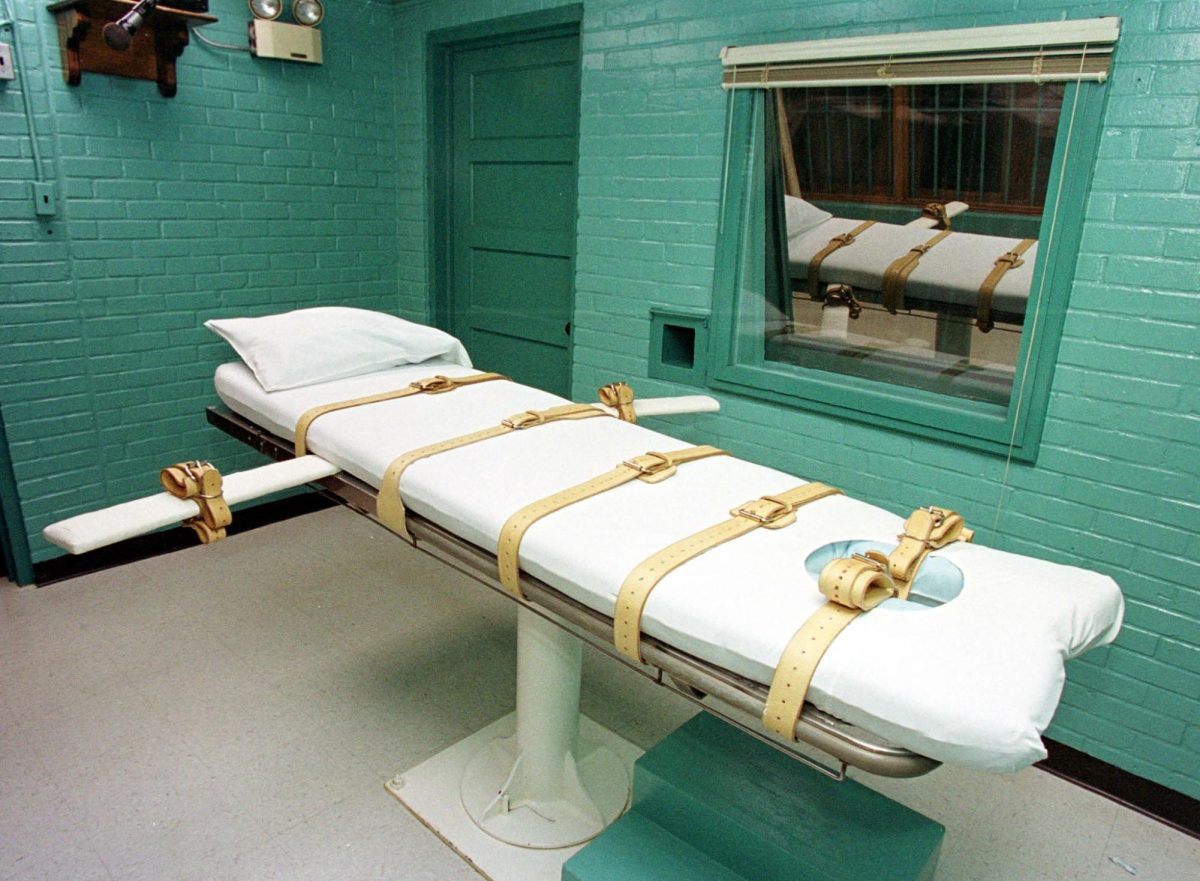




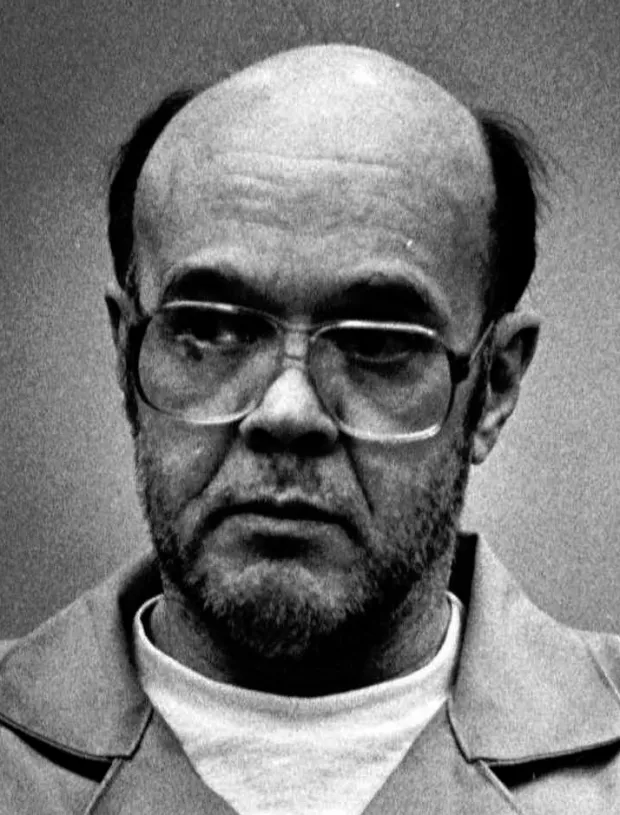



























On March 30, 1996, 20 year old Christina Pike was charged with the murder of her classmate, and sentenced to death. 30 years later her unsuccessful execution has sparked a resurfacing of the conversation surrounding the death penalty, and its moral and ethical consequences. The uniqueness of this conversation lies with the fact there is not one right answer. In order to understand the complexity of this topic, an understanding of the implications and background is necessary.
The death penalty has existed for thousands of years. Employed as a method of disposing of criminals, it has been used heavily throughout human history as a way to control people and behavior. In modern society, the death penalty has fluctuated in and out of use. In the last 40 years, over 115 countries have banned the method of punishment, citing it as inhumane. At the same time, other countries have expanded their use of the death penalty, most notably Saudi Arabia, China, Iran, and the United States. This extreme divide between absolutes opens up further questions about the place execution has in our modern world.
People that don’t support the death penalty argue a plethora of things. Possibly the most popular reason being morality. The decision to end the life of a human is something that many believe should not be entrusted to anyone. “I don’t think it’s very humane,” explains Cailtyn Mistral ’29. “I don’t like how they just kill someone……it’s not appropriate.”
An extension of this argument is the belief that two wrongs don’t make a right. Rafif Kinani ’29 explains that, “By taking one life for another, you aren’t practicing what you are preaching.” Kinani is referencing a wider issue where people point out the duplicity of condemning someone to death because they caused death to someone else.
Another argument typically given for the removal of the death penalty is the issue of consequence. Many believe that death is not enough of a punishment and internal imprisonment is more fair. “Instead of getting a lethal injection or being shot, they should have to stay in prison for the rest of their lives until they die. That way they are not put down quickly, instead they will have to suffer for a really long time,” states Allegra Rodriguez 29.
Some people have reasons additional to morality for disagreeing with the death penalty. Lisa Crawford, English 10 teacher, explains the financial implications of such an act. “It costs more money than just keeping people in prison. It’s expensive.” According to the Death Penalty Information Center, lethal injections range from around 30,000 dollars to 300,000 dollars. Meaning if you live in a state with the death penalty you are potentially funding these high cost executions through your tax dollars.
Those who support the death penalty argue that the punishment fits the crime. Sarah Dolan 29 explains that in the case of a mass killer, it makes sense to apply the death penalty. “It’s only fair that [criminals] die since they took so many lives from other peoples families.” She adds on, “Lethal injections already make the process not sufferable.” Sarah’s opinion represents a larger group of people who see the system as a way to grant justice to the victims and their families in the form of retribution.
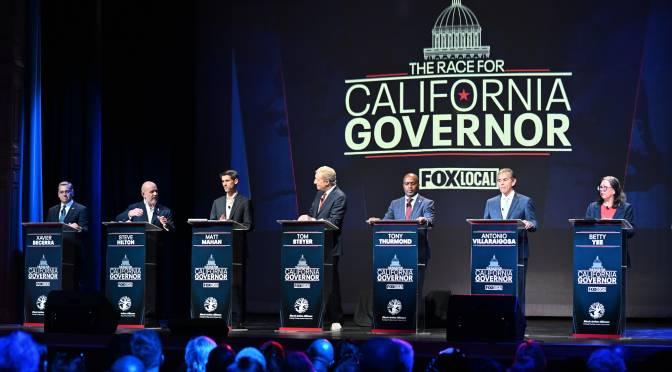
Ultimately, the discussion surrounding the death penalty is one that will continue to be debated as countries continue to expand and discontinue the method of punishment. Here in California, Governor Newsom is currently trying to instate a full removal of the death penalty from California.