
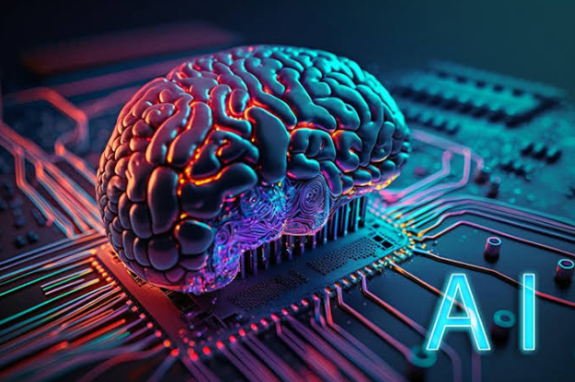



















































Artificial intelligence presents significant risks across societal, economic, and existential domains, ranging from workforce displacement and privacy erosion to autonomous warfare and loss of human control. The U.S. has recently been facing an enormous wave of widespread public anxiety and infrastructure strain, which occurs when a system is pushed past its limit, due to the overuse of Artificial Intelligence (AI). Infrastructure strain is also leading to power grid shortfalls, water and resource depletion, finance strain on consumers, and weaponization risks. This is harming our economy, and affecting our investments, as well as stock market wealth, ranging from massive institutional holders, such as Amazon and Google, to retail market participants, like NVIDIA.
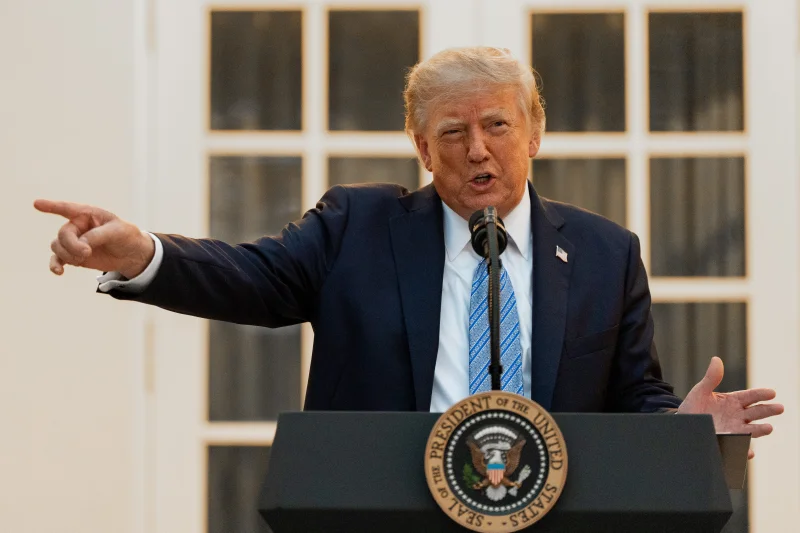
The Committee for Economic Development (CED), a nonpartisan, nonprofit, business-led public policy think tank, has published a policy and solutions brief. This brief talks about the principles for artificial intelligence guardrails in the United States plan to prevent future attacks on availability in the workforce, which are to use ethical, technical, and governance standards to make AI safer. They believe this will lead to balancing innovation and protection, for the economy and workers. AI will sooner or later be taught to capitalize on growth, which will harness AI to counter sluggish productivity and labor shortages.
The core focus in this situation is creating AI safety and replacing workers displaced by AI. Artificial Intelligence is continuing to assist humans, other than replacing them, and automate back office operations. Rather than viewing AI as a temporary fix, leadership sees it as the blueprint for the future of the insurance operations workforce.
The European company says it uses AI to classify and route incoming claims emails They want to make this happen by shifting operations from slow, manual handoffs to parallel, reasoning-driven digital pipelines, which will collapse traditional claims lifecycle timelines.
Canadian economic development runs regional artificial intelligence initiatives supporting small-and-medium enterprises (SMEs), and non-profits adopting or commercializing AI technologies. This has triggered a massive real estate and utility crisis, by making the statement, “AI for all” their strategy.
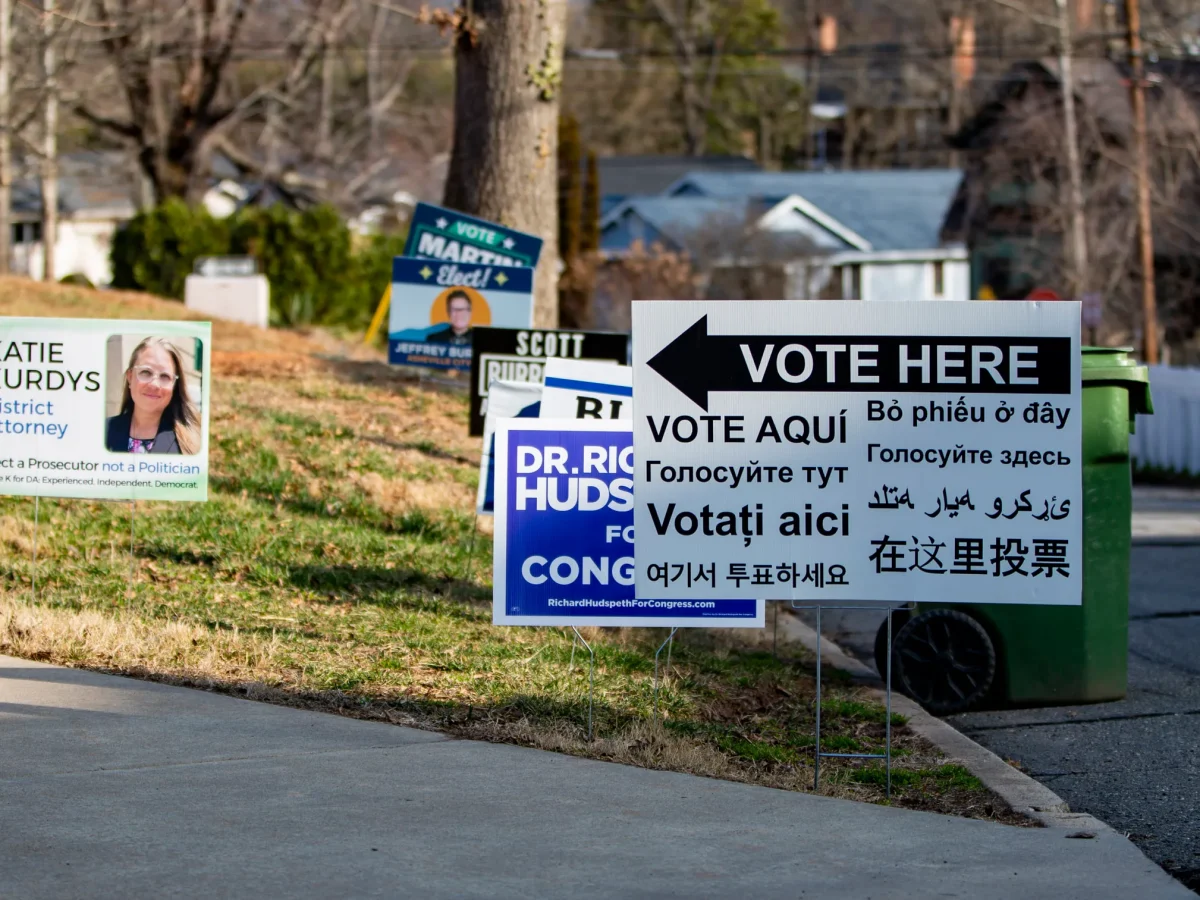
The global backlash against artificial intelligence has caused debates about job losses, and coordinating community resistance. A survey, from gallup.inc, found that 71% of Americans oppose data centers in their own neighborhoods due to massive water consumption for chip cooling, noise, and rising utility bills. Grassroots campaigns and local moratoriums have successfully blocked or delayed billions of dollars in planned infrastructure across more than 27 states, because of AI.
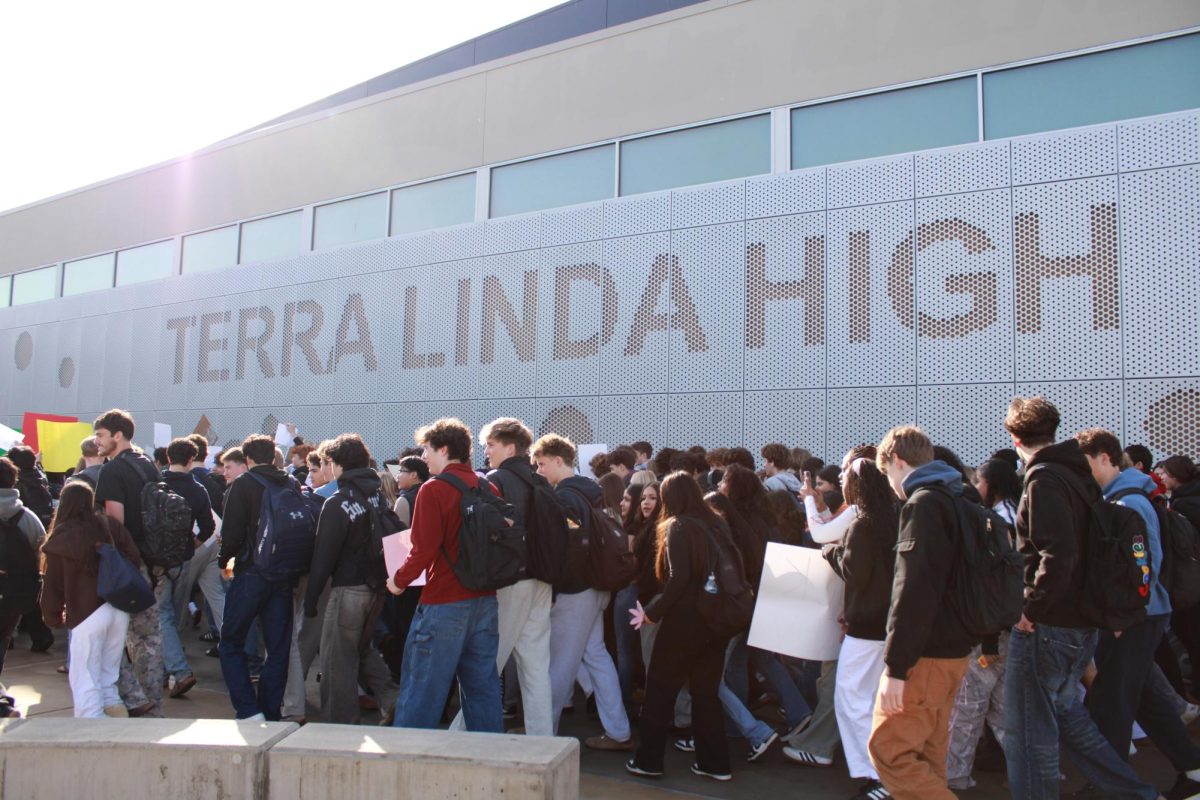
TL junior Kai Probst shared “AI is an economical gold mine for technological and physical enterprise that can be used for positive and negative situations and purposes for the great or good. Furthering that idea in real world situations, AI is not effectively incorporated in today’s society to do with the fact of individuals not putting constraints and strongly worded laws against the distribution of this high tech and dangerous technology.” TL junior Ari Stein added, “AI can be positively incorporated into education, and is a plethora of information that can be quite useful to the student mind if used correctly. The misuse of artificial intelligence, though prevalent, can still have many educational benefits towards the student’s education, though is bad for the environment, as well as work industries, and can harm student minds.”
Overall, AI has many benefits such as helping work industries, as well as assisting people as a learning tool. But it also poses a serious risk to taking over people’s professions, water usage, and cheating in school.