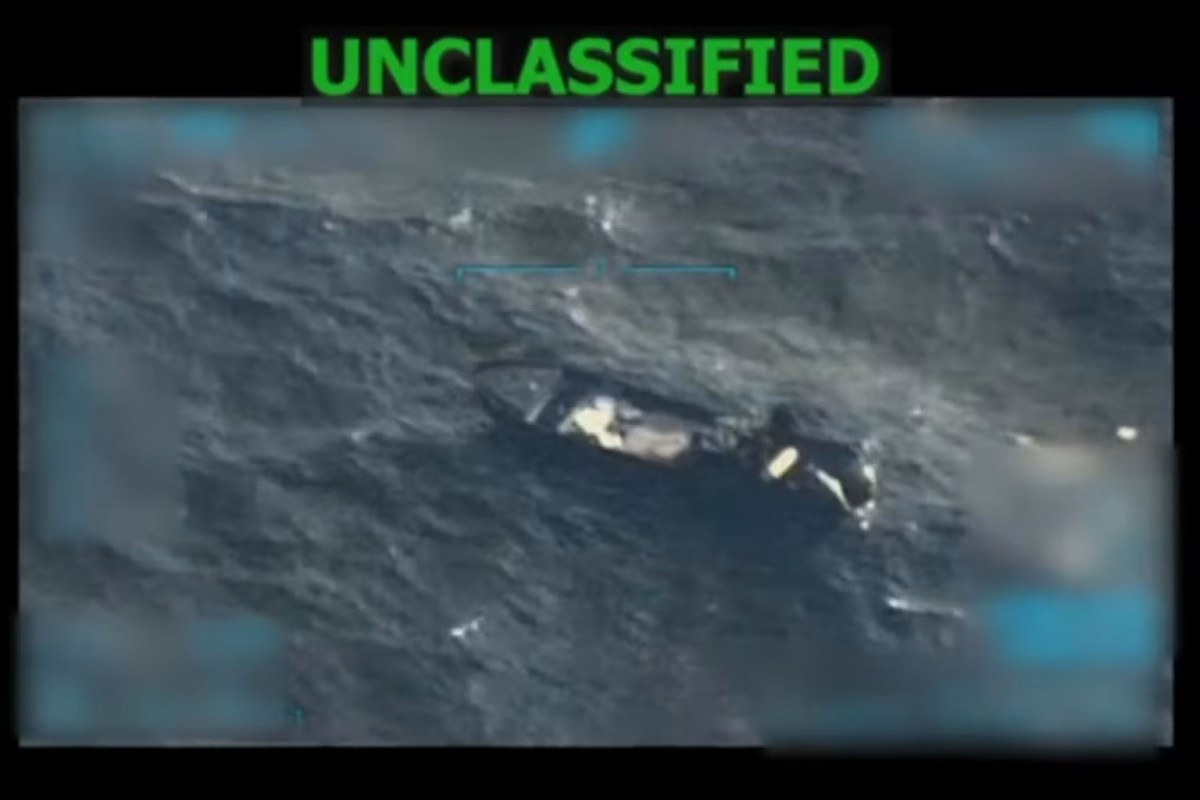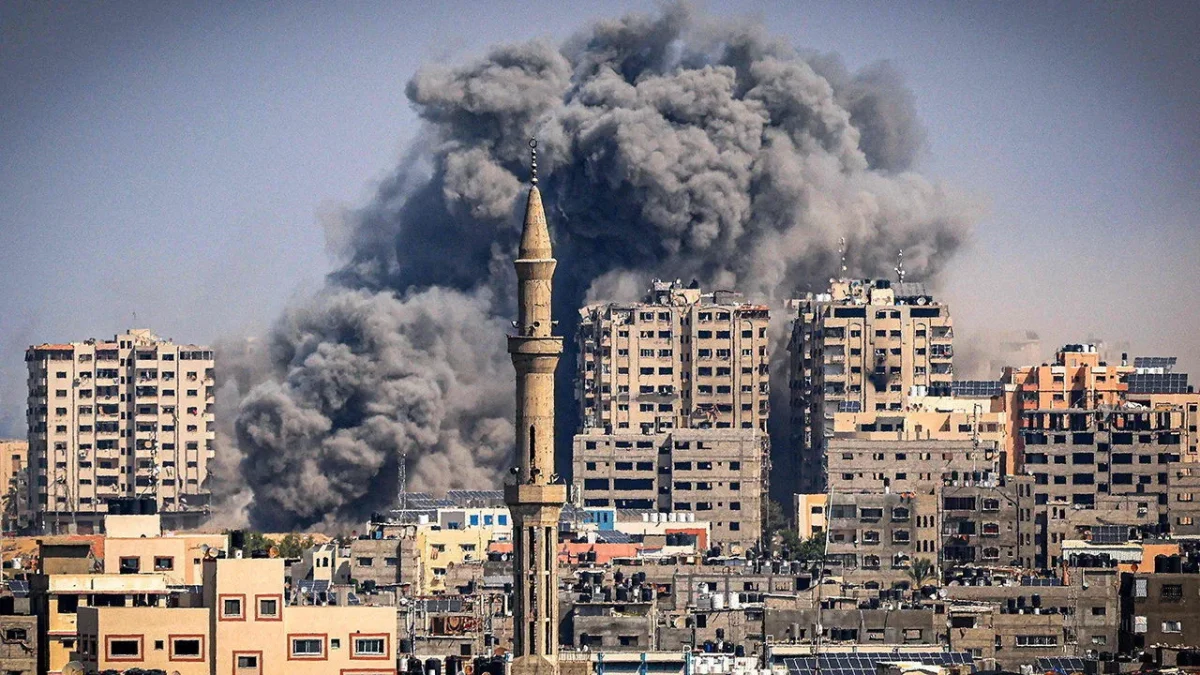




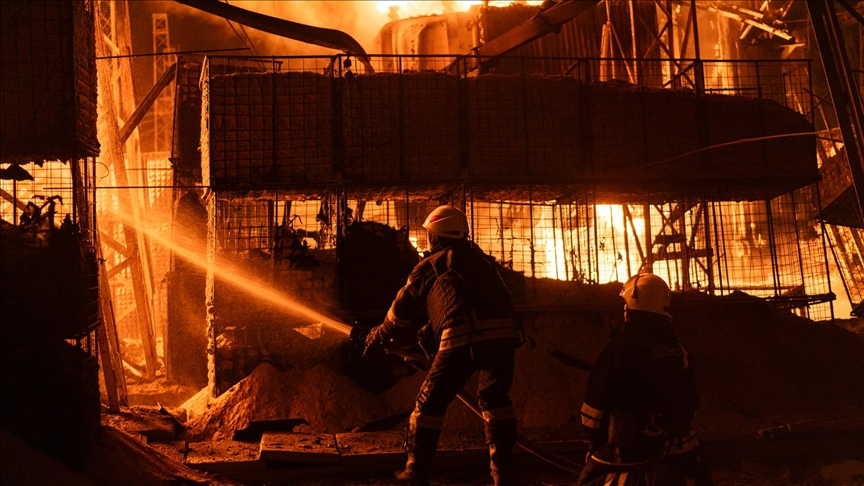





































On February 28th, the United States and Israel bombed Iran in various locations, specifically areas with missile infrastructure, military operation sites, and government buildings in Tehran, the nation’s capital. Though President Donald Trump says the attacks were prompted by Iran’s construction of nuclear weapons, there is little evidence that Iran has the capabilities to develop long-range missiles that could reach the United States even within the next decade. In May 2025, the Defense Intelligence Agency released a threat assessment saying these missiles are a possibility by 2035, but only if Iran chooses to pursue development, leaving Trump’s statements that this could happen “soon” unfounded.
Regardless of the constitutionality and morality of these actions by the United States and Israel, the attack and its timing raises a question regarding the Olympics: Should the consequences of violating the Olympic Truce be applied?
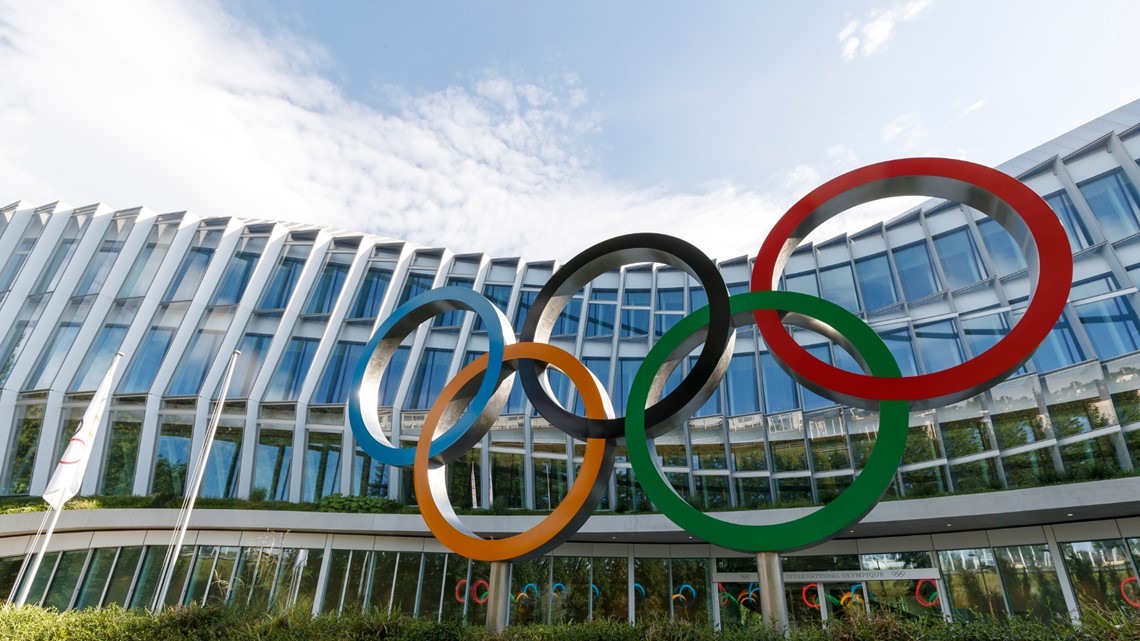
The Olympic Truce Resolution is a tradition dating back to 776 BC in ancient Greece that aims to ensure the health of athletes in the Olympic Games. In 1993, the United Nations adopted the resolution, which states that between the week before and after the Olympic and Paralympic Games, “all conflicts [must be] ceased.” Even with this adoption, the Olympic Truce is not always upheld, most recently in the 2026 attacks on Iran by the United States.
The bombing of Iran directly violates the truce, with the February 28th attacks taking place directly between the Olympic Games and the Paralympic Games in Milano Cortina. Historically, as is the case with Russia’s attacks on Ukraine in 2022, the International Olympic Committee (IOC) met violations of the truce with immediate sanctions on the attacking countries. In 2022, Russia’s invasion was called an “extremely grave violation of the Olympic Truce,” and athletes from Russia were suspended. Many global sporting events were also relocated from the country. If the rules of the truce were to be followed, similar sanctions should be placed upon athletes and sporting events in the United States and Israel. However, this is unlikely to happen.
The IOC has long claimed to be politically neutral, but has faced criticism for years over how it acknowledges alleged human rights violations by Olympic host nations. Since the attack on Iran falls in the context of the 2028 Olympics in Los Angeles, it seems likely that the United States and Israel will continue to compete in the Games based on statements by the IOC.
In early March, three days before the start of the Milano Cortina Paralympic Games, the IOC released a statement calling the Olympic Truce “an aspirational and non-binding resolution” and revealed that the organization has “no means of enforcing” its goals. Additionally, there was no direct mention of Iran, instead referring to the attack as part of “the most recent conflicts,” and the world currently as a place “shaken by conflict, division and tragedy, with lives being lost and tragedies experienced by so many.” These statements are a sharp contrast to the IOC’s actions in 2022.
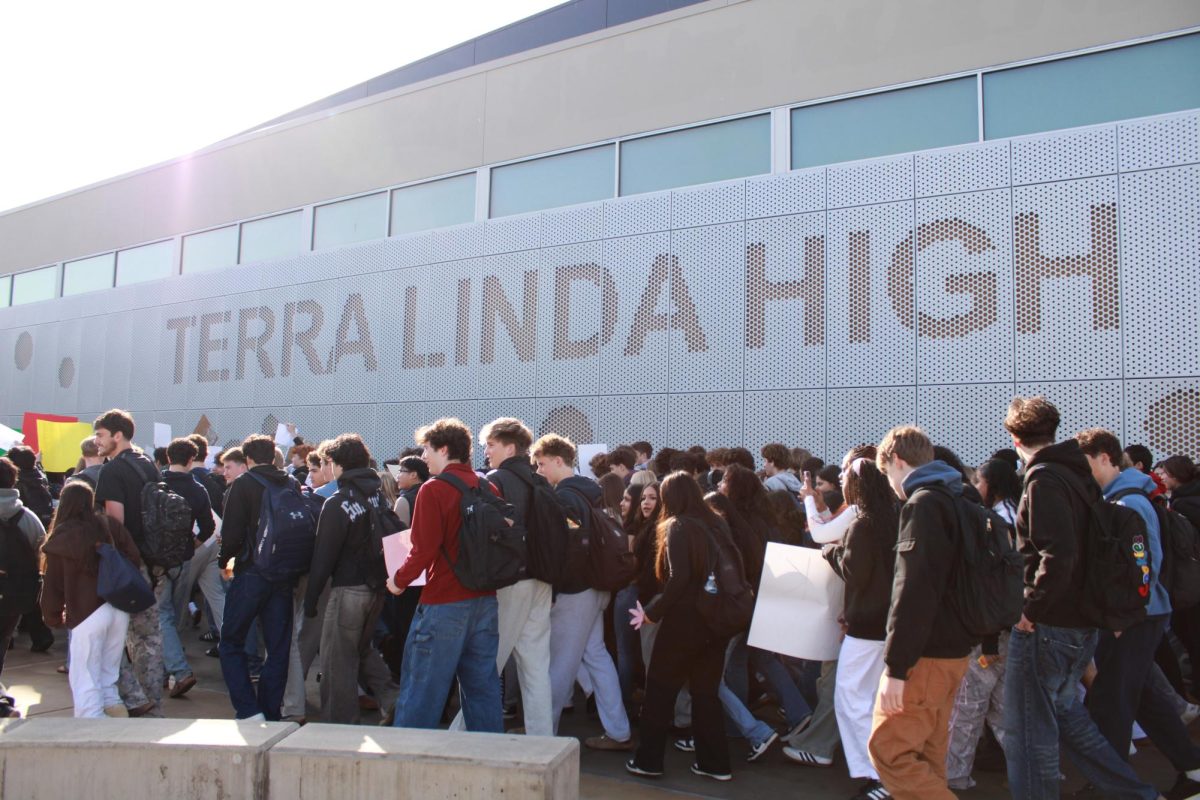
Alex Robins, Terra Linda APUSH and AVID teacher, attributes one of the reasons for this shift to the “status” of the United States. “Regardless of the historical status of Russia, it’s still a relatively small symbolic player on the international stage, ” says Robins. “They’re held to a different standard, which makes them easier to limit.” This is not the first time the United States has avoided the consequences of violating the truce. The U.S. exempted itself from the resolution both in military campaigns in the Middle East during the 1998 Olympics, and again with Afghanistan in 2002. The timing of these events similarly coincides with the Games the United States has hosted—Atlanta in 1996 and Salt Lake City in 2002—furthering the idea that being a host nation could be a factor in the lack of consequences for the U.S. “If this were the Olympics in 2032, there maybe would be a different set of expectations,” Robins says. “But under the current asterisk of being the host nation, there is some kind of middle ground.”
Although it is unrealistic to demand the U.S. to suspend its hundreds of athletes and relocate the 2028 Games, it seems unfair that the country is able to escape consequences when Russia was punished under similar circumstances just four years ago. Decisions like this further solidify the idea that the U.S. is able to break its own rules, and international norms, without facing the consequences of its actions.