
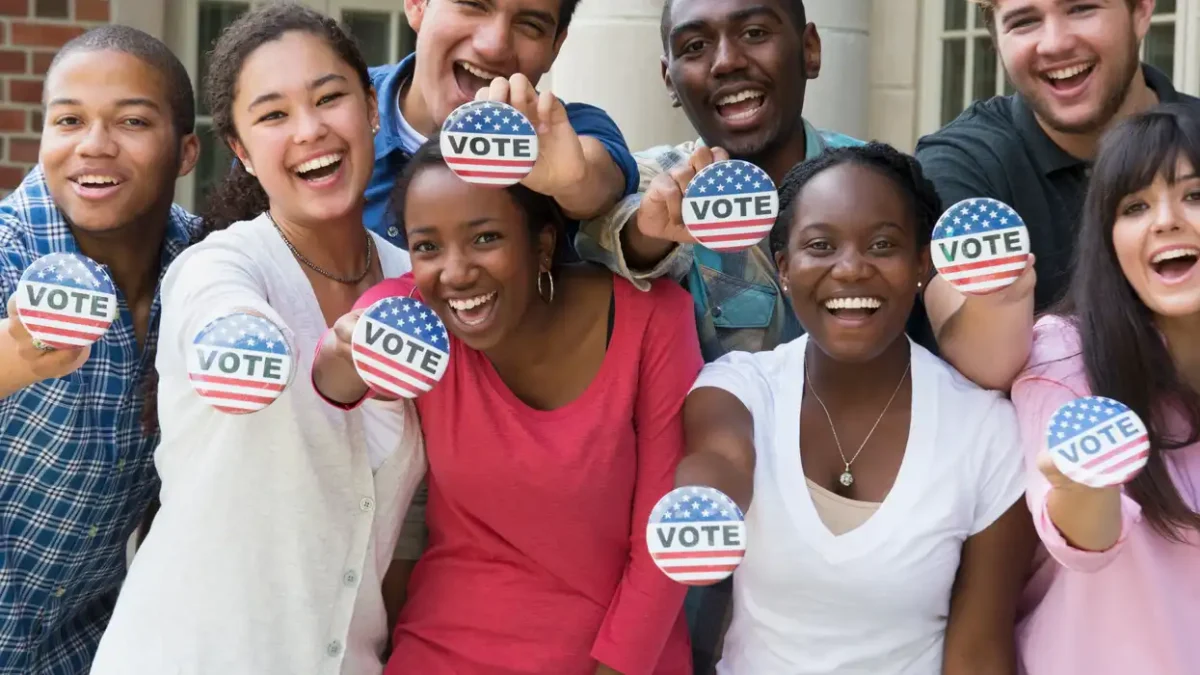


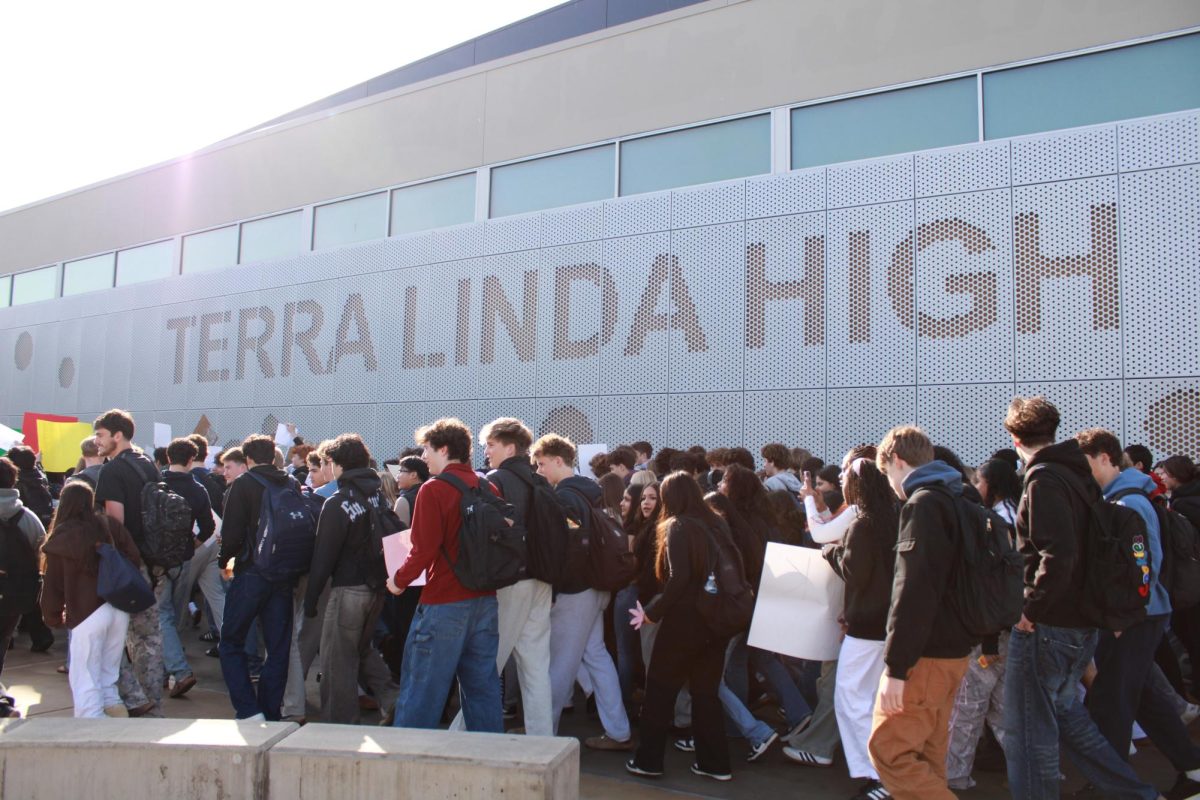

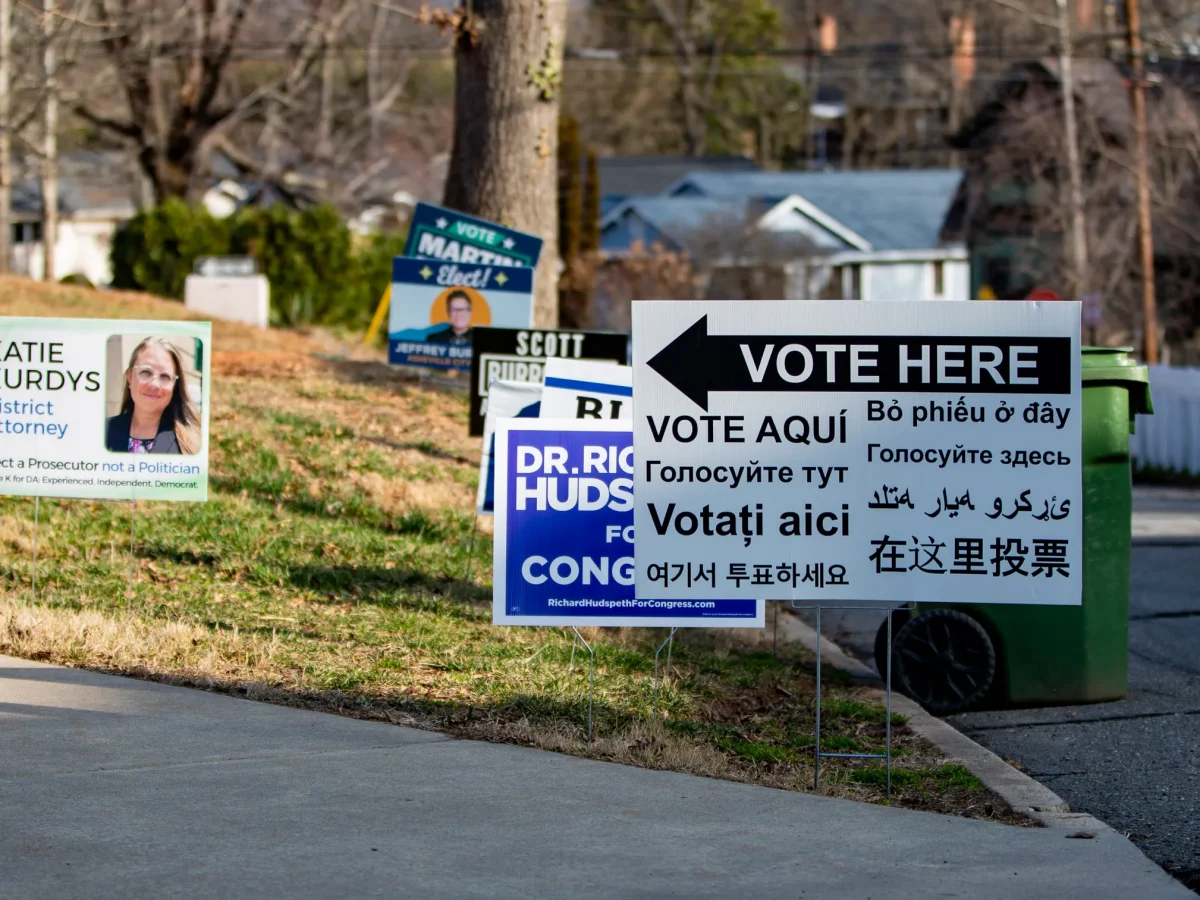
































The U.S. midterm elections are approaching, and many young voters—including several students at Terra Linda High School—will be able to vote for the first time. This young voter demographic could hold a potentially transformative role in the results of the midterm.
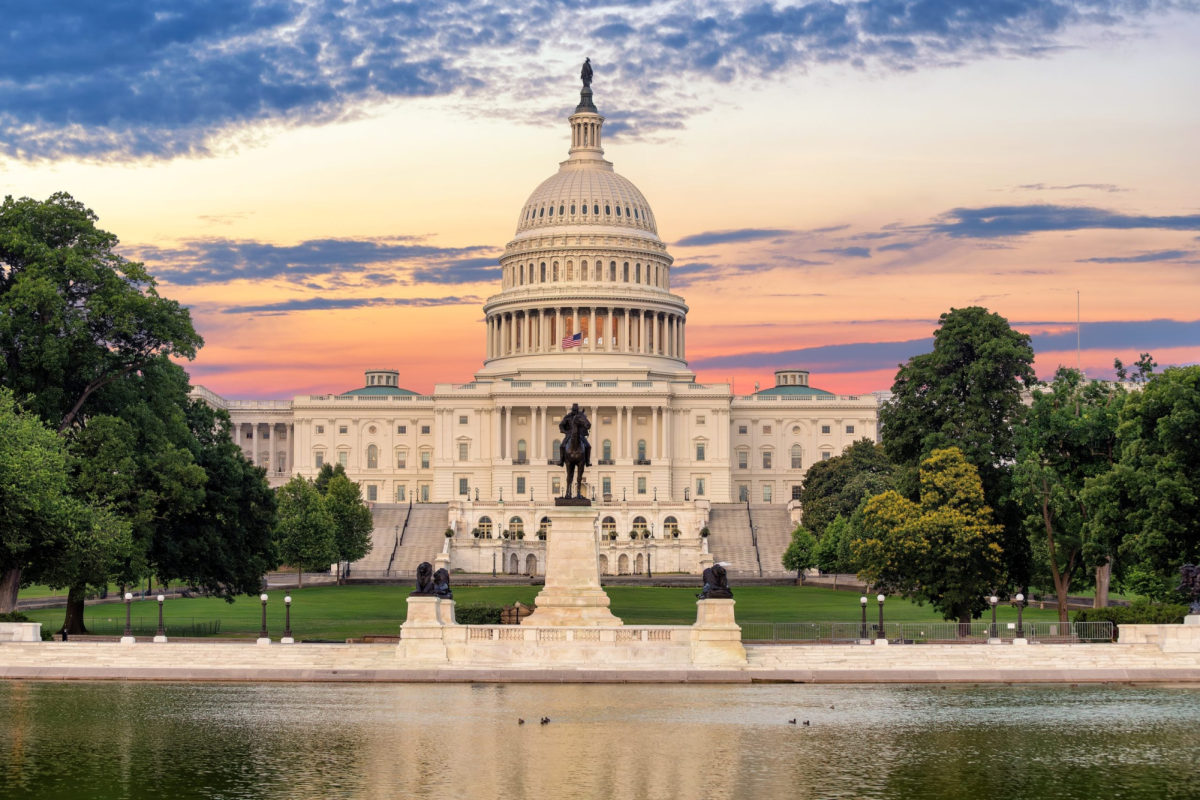
The Republican party—also known as the “Grand Old Party” or the “GOP”—currently controls all three branches (executive, judicial, and legislative) of the federal government. President Trump’s White House aligns with the GOP; Republicans hold a majority in both houses of Congress; and while the Supreme Court is an independent, non-political body, most of its justices lean conservative.
A “blue wave”—widespread major Democrat wins—in the midterms would change the balance of power in Congress, ultimately reducing the GOP’s dominance in the federal government. Youth could play a critical role in this redistribution of power, as they tend to lean towards the Democratic party.
According to the Spring 2026 Yale Youth Poll, “Majorities of young voters are planning to vote for Democrats, including 52% of 18-22 year-olds, 58% of 23-29 year-olds, and 62% of 30-34 year-olds.”
The Democratic lean of youth is not new. More 18- to 29-year-olds have consistently leaned Democratic than Republican since 1995. This phenomenon was apparent in several major elections of 2025. The Center for Information & Research on Civic Learning and Engagement (CIRCLE) notes that 75% of youth voters in New York City voted for Democratic Socialist Zohran Mamdani for mayor. 70% of young Virginia voters supported Democrat Abigail Spanberger for Virginia governor, and 69% in New Jersey voted for Democrat Mikie Sherrill.
In all three cases, the candidate that the majority of youth supported won the election, highlighting the potentially decisive impact of young voter participation.
This importance of youth voters, especially in the highly polarized country of today, could ultimately encourage a higher voter turnout in the 2026 midterms, much like the 2020 election, which saw record turnout largely attributable to the political divisiveness of the Trump Administration.
For many TL students who are soon to be first-time voters, the present political division, while not the sole determinant, was a contributing factor in their ultimate decision to vote. “I’m more inclined to vote because of the political situation, [but] I still probably would vote either way,” Terra Linda senior and soon-to-be voter John Ebersole said.
Instead of deciding to vote solely because of political polarization, according to CIRCLE, “Nearly half of youth (46%) who voted said one of their top reasons for voting was the desire to have an impact on issues they care about.”
This sentiment was echoed by TL senior Abby Lauster, who will be voting for the first time this November. “I want to vote because that is how you create change later on,” Lauster said. “Each vote matters. [Voting] can help turn the tide of who gets to make new laws, who gets to have a say.”
The desire by many young people to have their voices heard in politics is reflected in early polling for the 2026 midterms, which already shows an expected rise in voter turnout. According to the Bipartisan Policy Center, primary turnout in the 2026 midterms was approximately 22.8%, but in 2022 it was only 20.5%.
But this overall jump was not equal across party lines. Democrat turnout jumped by more than three percentage points since 2022, but Republican turnout fell by one.
Ultimately, polling suggests that young voters are likely to vote Democrat in high numbers in the 2026 midterms, which could potentially contribute to a shift in the political balance of power.