






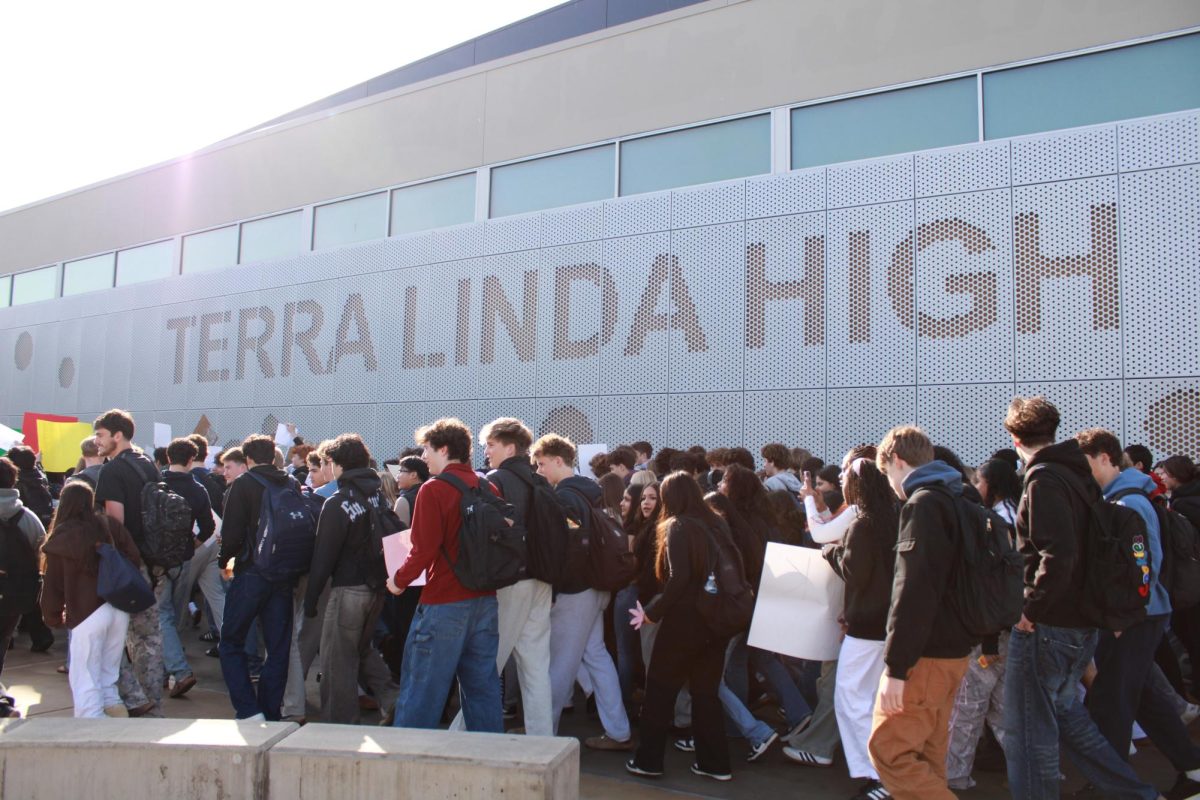


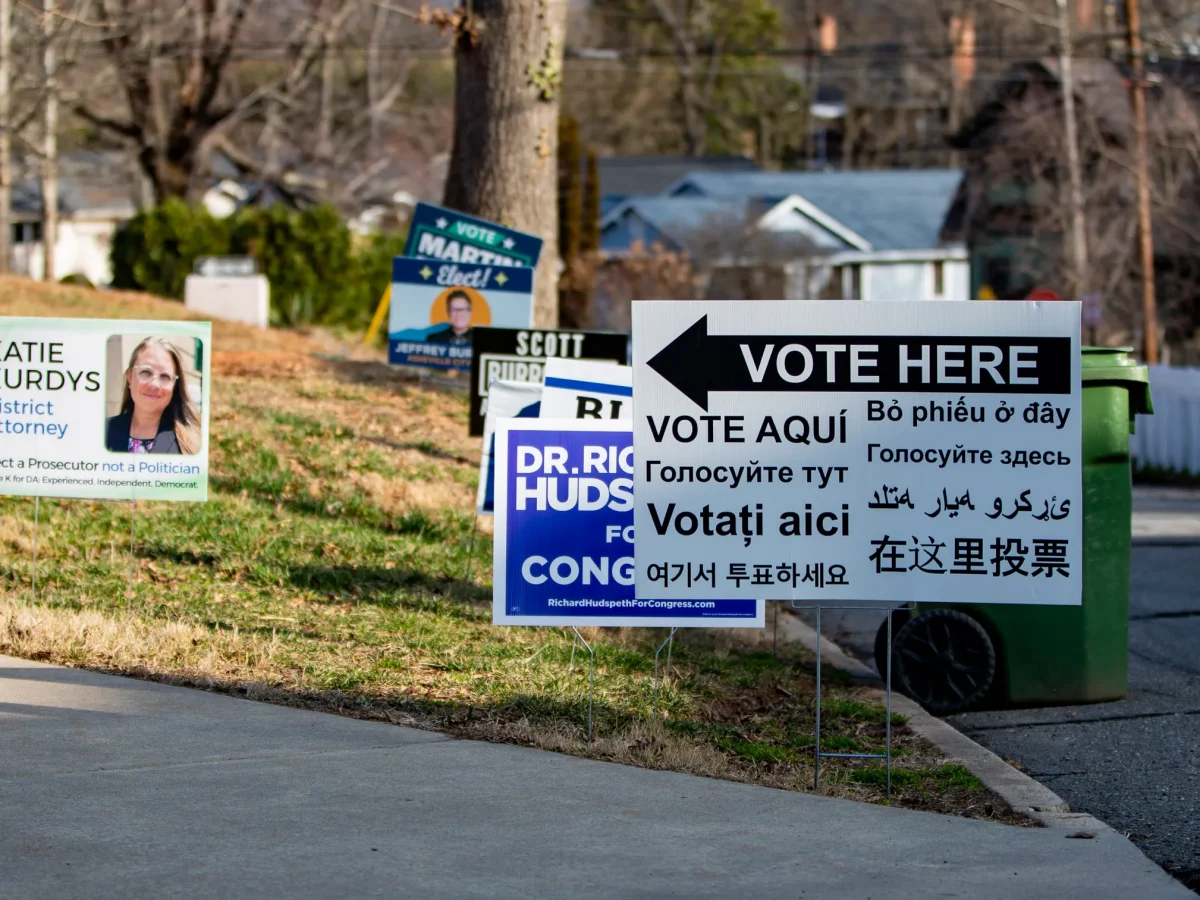






































By the upcoming 2026 midterm elections, most current Terra Linda High School students will be able to vote. These elections happen midway through a president’s term and will allow students a role in deciding various important decisions, particularly regarding environmental issues, education policy, foreign policy, and social issues. With Gen Z’s active role in climate change, LGBTQ+ rights, and AI, elections will begin to see a shift. Midterms Day will take place on November 3, 2026, following the primaries, which have already started, running from early March to mid-September. After results are finalized, elected members start preparing for office, leadership is appointed, and the 120th Congress begins in January 2027.
Firstly, the most recognized elections in the 2026 midterms are the two chambers of Congress. All 435 seats in the House of Representatives and 33 Senate seats are up for election this year.
The U.S. House of Representatives is mainly responsible for making and passing federal laws. The number of members per state is decided by population, as measured by the census, and each term lasts two years. The chamber is designed to be the most accurate representation of the American people and typically puts their needs first. The House also has the power to charge federal officials, including the President, with crimes, in a process known as impeachment. As a legislative body, the House affects students greatly, contributing to the enactment of laws regarding education costs, college loans, and career and job opportunities.
The Senate, on the other hand, forms the second chamber of Congress and holds 100 members. Each state is represented by two members, all of whom serve six-year terms. By passing federal legislation in tandem with the House, the Senate influences a wide range of issues such as climate change, education funding, and economics, which affect students entering adulthood.
In addition to the midterms, California is holding an election for governor this year. California limits governors to two terms per lifetime, which current California governor Gavin Newsom has fulfilled. The governor largely influences the cost of living, job opportunities, college affordability, and many other aspects of life that current high schoolers will encounter in adulthood.
California voters will be able to vote on three statewide ballot measures in 2026. One proposal would allow the state and local governments to provide public funds to election candidates who follow spending limits. The proposal would make it so that, in the case of an impeachment of a state officer, the position would remain open until the next official election. A third measure would require ballot measures to create something called a supermajority voting requirement to pass. Right now, most ballot measures in California pass with a simple majority, which means more than 50 percent of voters vote ‘yes.’ This measure, however, could require a ⅔ majority in favor to pass a ballot initiative.
When considering voting for the first time, Terra Linda senior Penny Carroll said that she’s most concerned about “issues centered around equity and environmental causes,” noting that these topics affect many communities.
Caroll added that she also considers college costs and student loan policies to be important issues as she and other seniors prepare for life after high school. “A couple of years ago, I remember hearing about a new policy from Joe Biden forgiving student loans,” she said. “That was something that really stuck with me.”
In the future, Penny said that she hopes “to see leadership that focuses more on internal improvements.” She continued, “We should be looking at what we can change here and focusing on how we can improve things.”
Aside from a wave of new voters, other factors may dictate the outcome of the midterms. President Donald Trump recently advocated for the Safeguard American Voter Eligibility or SAVE act. The legislation would require proof of U.S. citizenship when registering to vote in federal elections. Some argue the requirement would make election security stronger and ensure only citizens vote in federal elections. Others say that the rule could create barriers for some voters who do not have easy access to documents proving citizenship.
Another factor that might influence the upcoming midterms is the recent passing of Prop 50 in California, which allowed for the redrawing of congressional districts in a process known as gerrymandering. These boundaries decide who falls into each district and, therefore, which representatives they elect. California uses an independent citizens commission to draw district maps in an attempt to reduce political influence in the process. Texas has also undergone similar processes, with both states attempting to claim more seats for their respective parties. These differences show how district rules can influence who represents voters in Congress, which can play a large part in how our elections take place in the future.
Midterm elections typically receive less attention than presidential elections, yet still play a significant role in shaping national policies. The results of the 2026 midterms will determine who writes laws and represents Americans in Congress. For many TL students, this election will shape the environment they enter as adults. As more young people become eligible to vote in the coming years, staying informed about elections may become an important part of their futures.