



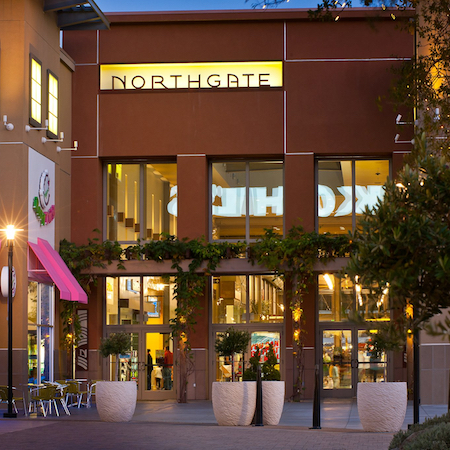





































The Northgate Mall in San Rafael is undergoing a major transformation, shifting away from a traditional shopping center into a mixed-use neighborhood with housing, retail, and community spaces. Originally opened in 1965, Northgate was mainly supported by large corporations such as Sears and Kohl’s. Despite initial success, the mall has struggled in recent years as consumer shopping habits have changed and many large tenants have closed their doors, resulting in their eventual remodel.
The COVID-19 pandemic further accelerated these challenges. In 2020, the lockdown forced non-essential stores to close for long periods of time, and many shoppers permanently shifted toward the more addictive online shopping. Prior to the pandemic, many malls were already seeing lower foot traffic, but the sharp drop in customers during 2020 led to more store closures and rising vacancy rates at shopping centers across California and the country. In outdoor retail areas like Santa Monica’s Third Street Promenade, visitors have described the near-empty storefronts as a lasting effect of the pandemic disruption. Economist Robin J. Brooks explained, “The pandemic forced many households, which had previously resisted the shift to online buying, to switch to the internet, and they’ve never gone back.”
Many people are hoping that the remodeling will rejuvenate Northgate. However, the redevelopment is not being celebrated by all. The project threatens to significantly affect existing businesses, especially smaller, locally-owned shops that depend on steady foot traffic. While construction disruptions and changing customer patterns may create short-term challenges, the addition of new residents could bring more customers in the long run.
The reconstruction project is known as the Northgate Town Square, and has been categorized into 3 primary phases of development. Phase 1, which took place from 2021 to 2024, included planning, public exposure, and approvals. Phase 2, which started in 2024 and will continue until 2029, begins the major demolition of the existing mall structures and the construction of houses and pathways. And finally, Phase 3, which will run from 2029 to 2040, will mark the completion of the housing unit. As a part of Phase 1, 2026 began with the deconstruction of parts of the former mall, including the old Sears building. Contractors from Ghilotti Bros Inc. have begun gutting the structure in preparation for full demolition later in the year.
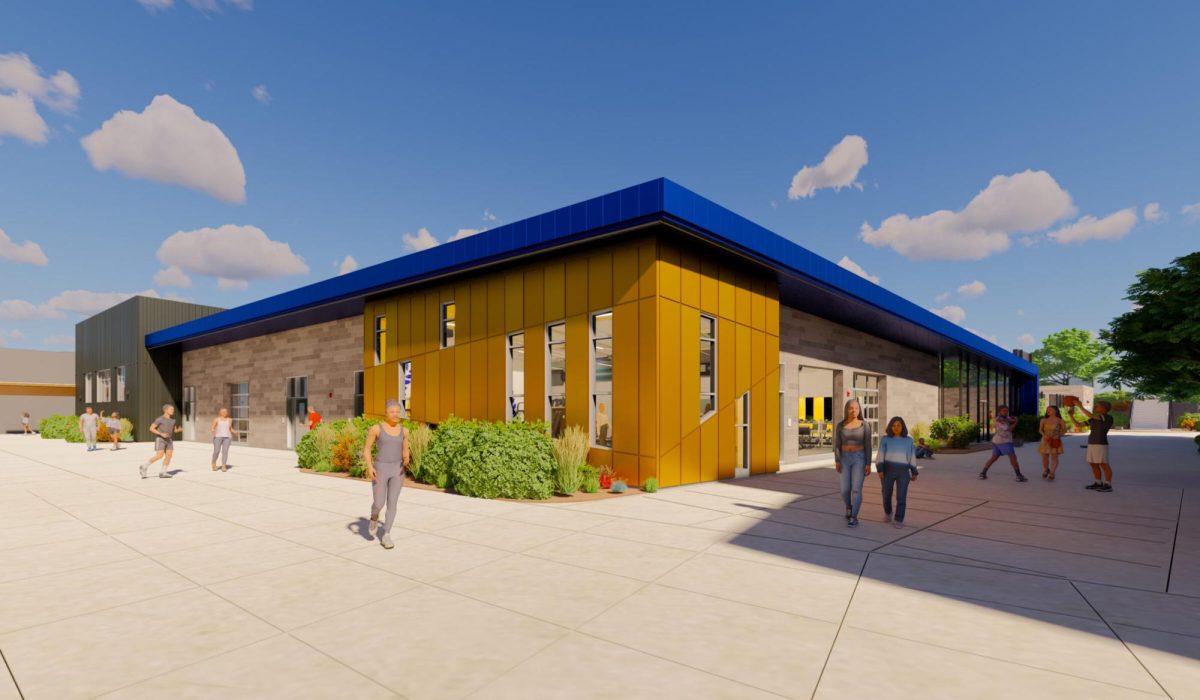
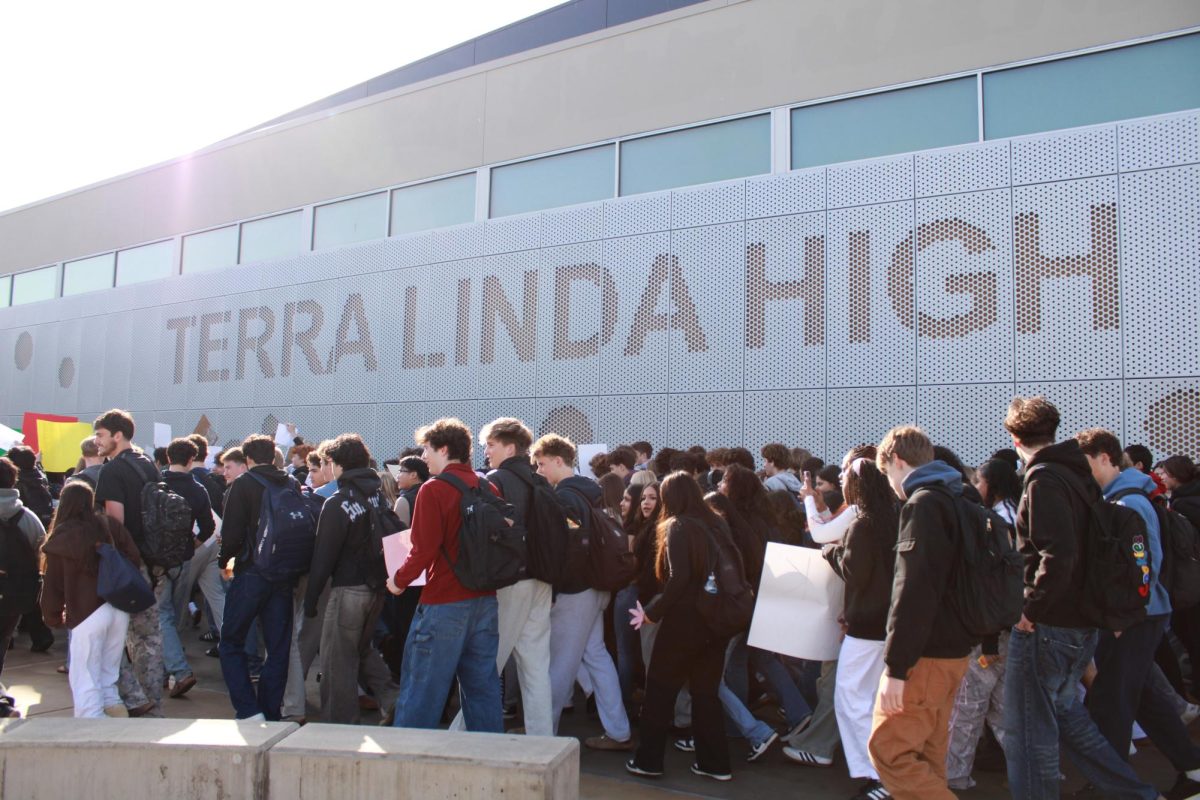
The remodel has been approved by the city and is intended to create a lively, “main street” environment in Terra Linda. The plan envisions up to 1,422 housing units, including apartments and townhomes, using the significantly reduced retail space. The design also emphasizes public spaces, including walkable streets, a central town square, and improved connections to transit systems such as the SMART train.
The redevelopment has generated a range of public responses. Supporters argue it addresses Marin County’s housing shortage by adding much needed homes in a transit accessible location. Some community members and business owners, however, have raised concerns about noise during construction, increased traffic, and for small businesses, loss of profits. “For people like me, it is going to cause strain on the business and force us to move locations,” said local business owner Nissim Levy. “Though once everything is finished, those homes will create an immense revenue stream due to more jobs, shops, and restaurants.”
Overall, the redevelopment of the Northgate Mall reflects a larger shift in how communities like San Rafael and cities across California are rethinking aging retail spaces. As traditional malls decline, projects like this aim to address housing shortages and create more community-focused neighborhoods, while also raising concerns about how local and small businesses may be affected by the change.