






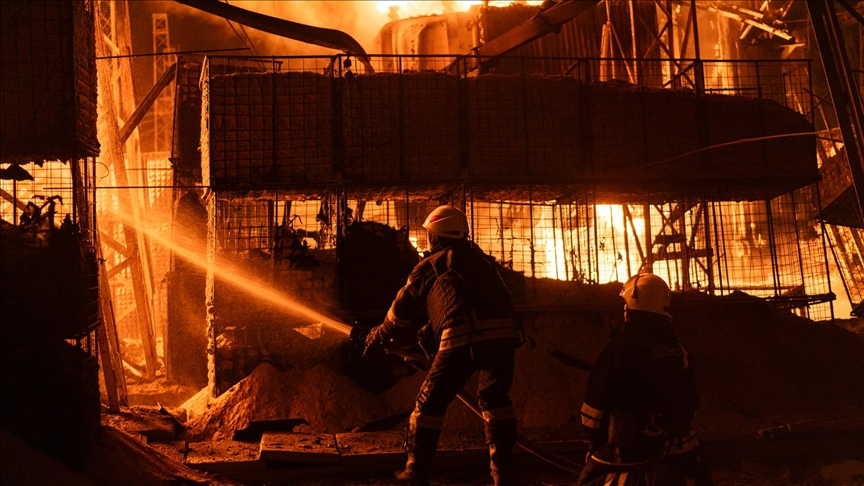






























In any long-term military action, information in some cases is as important as weaponry. As soldiers fight the enemy, war journalists step directly into combat zones, showing the general public human suffering from a first person point of view. Reporting in these types of environments puts journalists in great physical danger and creates tough emotional strain. For preparation, war journalists go through hard and professional training, studying protocols for protection and basic principles.
The primary risk of working in a war environment is the immediate physical danger. Journalists face relentless shelling, airstrikes, crossfire, and the possibility of targeted kidnapping throughout their time reporting. Historical records by advocacy organizations, such as those of the Committee to Protect Journalists, state that hundreds of journalists have sacrificed themselves covering news sites from “point of entry” or frontline locations over the last few decades. Beyond physical danger, the psychological effects of what these journalists witness also leave deep scars. According to academic research, war correspondents have higher rates of post traumatic stress disorder (PTSD), severe anxiety, and depression than the average citizen. As media researcher Ajmal Khan wrote, “Covering grisly events creates lasting and crippling memories which haunt the journalists for years.”
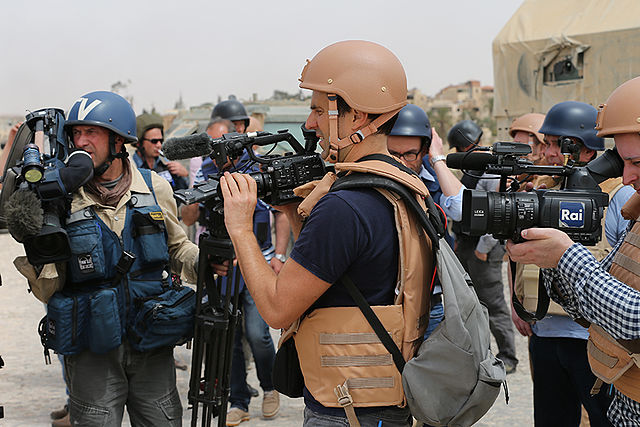
War journalists must have multiple techniques at their disposal to go about achieving their work while still prioritizing their safety. Many journalists receive hostile environment and first aid training prior to entering the field. This enables the journalists to help navigate active minefields and recognize potential missile threats and administer life saving medical care if needed. On the battlefield, reporters wear protective equipment, including heavy body armor and ballistic helmets with the word “PRESS” clearly stamped on the sides to indicate their status as civilians under international law. This law states that independent war journalists are citizens and hurting or killing them would be a direct breach of international law. They also face severe political pressure and military censorship, with governmental and military forces often trying to prevent press access to the ground or control the story. In an effort to balance safety and access, some reporters choose to put themselves right alongside soldiers under extreme conditions. Others work independently as “unilateral” journalists, traveling through combat zones to report on what the military might be hiding.
Fortunately, this hard work does not go unnoticed as war journalists are recognized publicly for their bravery and sacrifice. “It amazes me how those journalists have the guts to go out and risk their lives, just so that they can give the truth to the people,” said TL sophomore Emilio Hadden. Sophomore Nate Lewis agreed, saying,“Without these journalists our nation would be in the dark about frontline interactions.”
The fundamental objective of combat journalism during war time is to give a trustworthy and truthful report of violent conflicts, especially in situations where opposing parties attempt to use propaganda to shape the world’s perception of events taking place. It is this strong belief in the importance of the truth in society that gives war journalists the strength to endure such extreme conditions. International journalist Marie Colvin captured fully what motivates a person to join such a dangerous profession with her iconic quote: “Our mission is to report these horrors of war with accuracy and without prejudice.” By adhering to this passion, war reporters give the international community the element of truth and transparency that helps ensure that even in moments of complete chaos, accountability is maintained.


johny dingledwarf • Sep 25, 2026 at 6:05 pm
tuff bro