










































American tax money can be outsourced in a variety of ways. It funds schools, the police force, Social Security, and much more. Under Donald Trump’s second term as president, tax money has traveled overseas–by the billions.
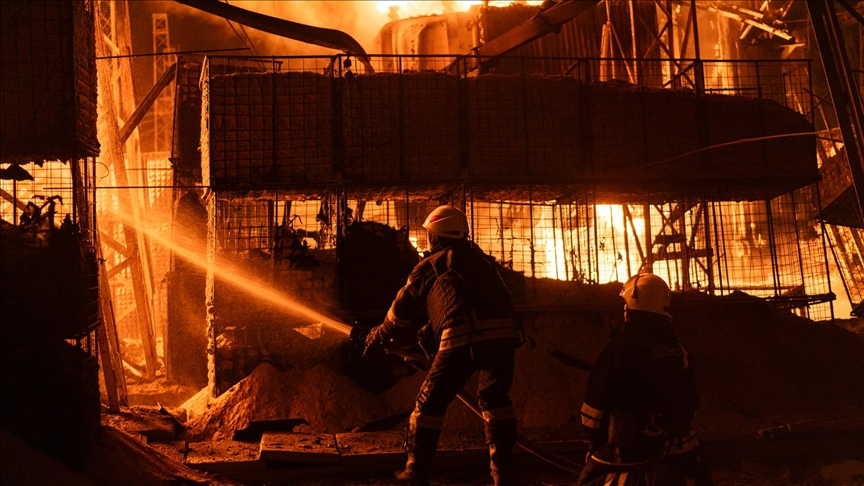
On June 22, 2025, the U.S. attacked three nuclear sites in Iran, joining Israel in its attack on the country. Recently, these raids resumed at a heightened rate, when the two allies carried out joint attacks on several Iranian cities. President Donald Trump declares his motive is “to defend the American people by eliminating imminent threats from the Iranian regime,” according to Time Magazine. The threats include both Iran’s theocratic government, where religious leaders are in charge, as well as Iran’s development of nuclear weapons, a suspicion that has been discredited by several sources. Over a thousand Iranians have been killed, including Iran’s Supreme Leader Ali Khamenei, Iran’s head of state and highest ranking religious authority. Four U.S. soldiers have died in the attacks as well. There is no clear end in sight to this conflict, which is costing the United States 891.4 million dollars a day, according to CNN.
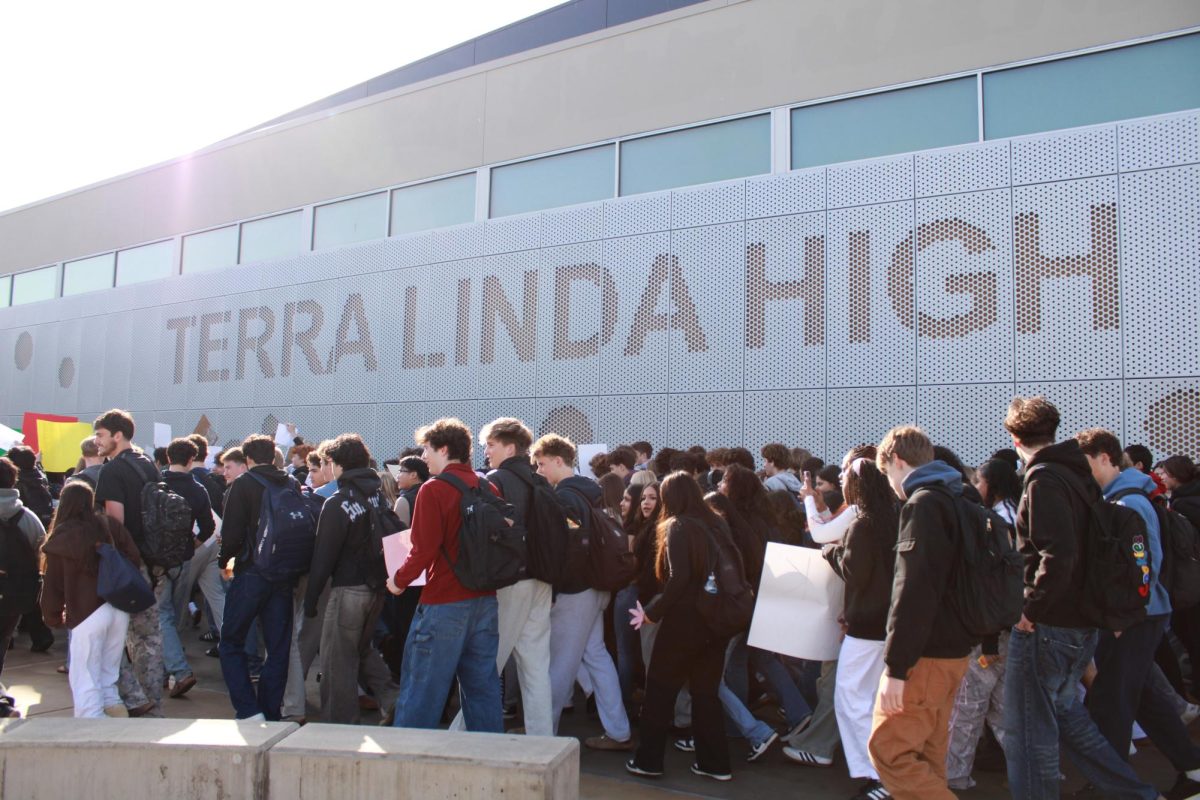
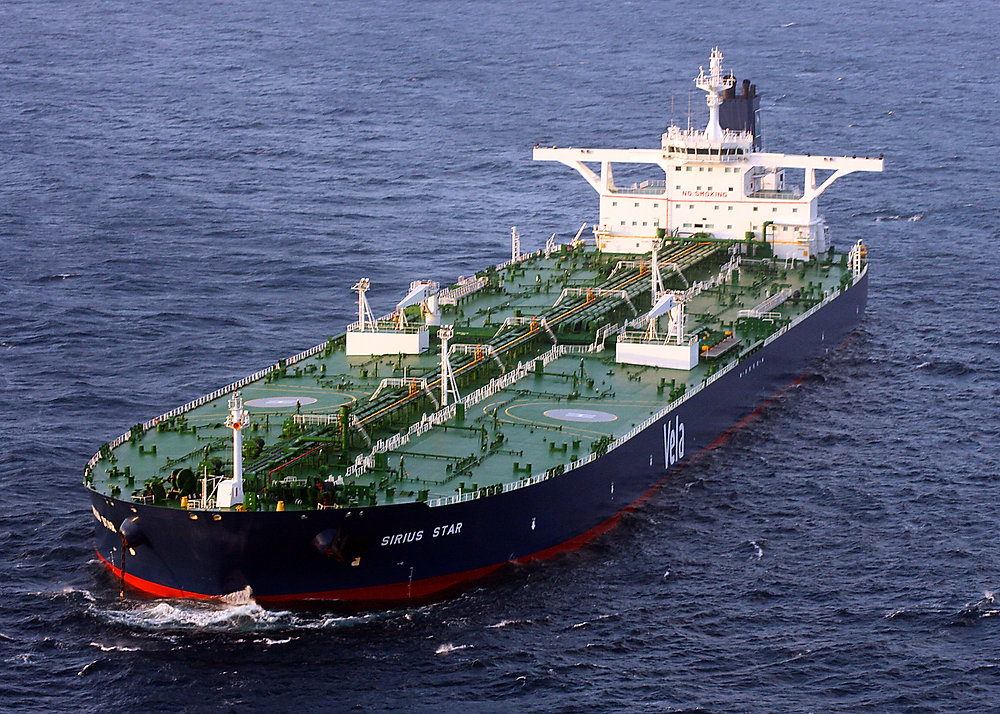
“Gas has gotten way too expensive,” comments Terra Linda High student Coco Madrid, referring to the fact that Iran’s responding attacks have primarily targeted the Strait of Hormuz, the waterway through which much of the United State’s imported oil is received. With the strait closed, less oil is entering the nation, leading to a rise in gas prices.
On another note, Ali Khamenei hasn’t been the only national leader affected by a U.S.-enforced regime change. On January 3rd, 2026, Venezuelan president Nicholas Maduro and his wife were kidnapped from their home in Caracas, following several strikes on Venezuelan ships heading towards the U.S. and mutual hostility. The U.S. claims the bombed ships carried drugs, and kidnapped Maduro on charges of “narco-terrorism and drug trafficking”, and that the dictatorial regime in Venezuela was long overdue for a change. Currently, Maduro and his wife are being held in Manhattan, and vice president Delcy Rodriguez has been appointed as leader, with Trump’s approval. Rodriguez is a dictator, and previously the oil minister of Venezuela. It is hypothesized that Trump’s actions were incited largely to gain access to Venezuela’s oil reserves and control the trade of the commodity.
The United States, with additional drug claims, has also struck down ships from other countries in the Caribbean and Pacific Oceans, which has reportedly racked up the U.S. a cost of 3 billion dollars. Strikes on Somalia, Iraq, Yemen, Syria, and Nigeria have also occurred since 2025, targeting alleged terrorist and militant groups.
Madrid shares, “As a soon to be tax paying citizen, I don’t think we should be paying taxes for international conflicts that shouldn’t even be happening in the first place.” The TL student disagrees with both how much money has been put toward overseas conflict as well as the current foreign policy itself. Many Americans are in similar disagreement, particularly over the instability of the economy. There is never any telling for when a new conflict may begin, how long it will last, or how much money will be drained into it.
Tariffs are currently the primary cause of economic uncertainty. Since the beginning of his term, Trump has issued tariffs on countless countries, many of whom responded in kind with their own tariffs. This has had a devastating effect on American businesses, many of which have ended up paying abnormally high prices for international goods. This in turn has caused an increase in price for consumers, directly affecting citizens.
Recently, the Supreme Court ruled the tariffs as unconstitutional, leading thousands of companies, such as Costco and FedEx, to demand refunds. The ruling also concluded that the U.S. government must issue around 130 billion dollars in repayment. In the wake of this, President Trump has issued a global ten percent tariff.
As of now, annual U.S. military spending has amounted to around a trillion dollars, and the national debt is planned to reach 39 trillion by mid-April. Meanwhile, the future economic impacts of the new tariffs are currently unknown.