







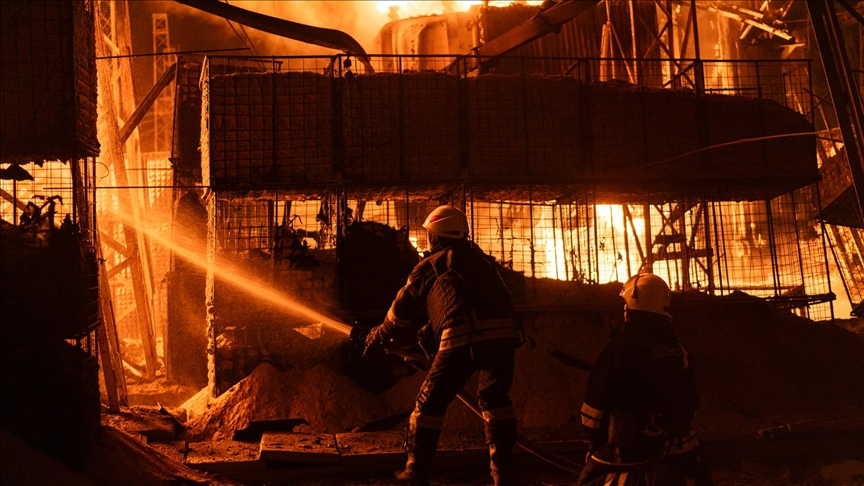








































On February 28th, the United States, along with Israel, staged a coordinated attack against Iran, resulting in the suspected deaths of 180 civilians. Bombs were dropped on Iranian nuclear and missile sites, military bases, and leadership command centers, killing Iranian Supreme Leader Ali Khamenei. Since then, thousands of attacks against Iran have been carried out, with casualties currently resting at around 1,300 people, according to Al Jazeera. But despite the alarming damage and devastating loss of life, the United States is not technically considered to be at war.
The military conflict was quickly labeled a “war” by both the public and media. Headlines reading, “The US and Israel’s war with Iran,” were published by CNN, along with a New York Times news segment dedicated to reporting on “Iran war live updates.” For good reason, the conflict with Iran is being considered a war.
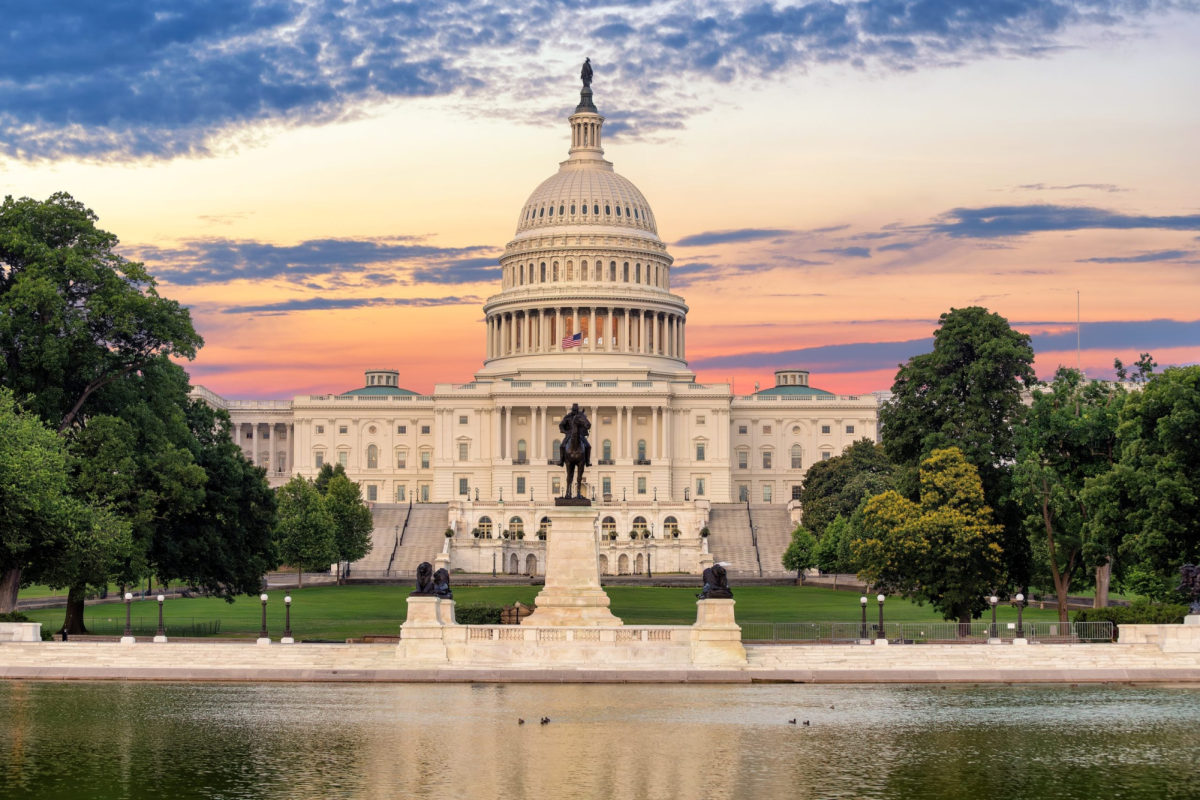
The Oxford Languages definition of war is a state of armed conflict between different nations, states, or different groups within a nation or state. Since the definition of war perfectly matches the situation, it is understandable that war may seem like the correct term to use. However, this is not the case. Article 1, Section 8, Clause 11 of the U.S. Constitution awards Congress the power to declare war. This means that in order for the United States to be at war, Congress must proclaim it. President Trump never went through Congress before attacking Iran, therefore a declaration of war was never made.
Why do we have to go through Congress in the first place? In 1775, the war against the British Empire had just been won, and the colonies were free. When deciding how to design the new country, the Founding Fathers relied heavily on the British system as a template. There was, however, one major change: the country would have no king. The colonists were aware of the tyranny that a ruler with absolute power could bring. Because of this, they were careful to limit the consolidation of power. The power would be strategically separated through different branches of government, instead of resting in one person’s hands. This initiative left the power to declare war in Congress’s hands, protecting the American people from dying on the whims of a single leader. For these reasons, Congress’s power to declare war is a very essential part of the foundations and values of the United States government.
People in power notoriously don’t like to have their power limited or initiatives denied. This has led to presidents consistently bypassing Congress when engaging in international military conflicts. Instead of using the term ‘war’ to describe the situation between the two countries, presidents would label it as an ‘armed conflict’. Despite the term ‘armed conflict’ directly existing in the definition of war, it is used as a way to ignore the power of Congress to determine United States engagement. Because of loopholes like this, The War Powers Resolution was passed in 1941. The War Powers Resolution detailed the rules to declaring an ‘armed conflict.’ The resolution reads, “The President in every possible instance shall consult with Congress before introducing United States Armed Forces into hostilities.” Additionally, without approval from Congress, the conflict must end within 60 days. These rules, among others, attempted to limit the overstep of power from the president. However, according to the National Constitution Center, almost every president since the enactment of the War Powers Resolution has been accused of violating it.
Regardless of political party, everyone should agree that actions taken by U.S. presidents ignoring Congress’s constitutional right to declare war is wrong. Not only is it violating the Constitution as well as the War Powers Resolution, it also infringes on the very values that the country was built on. Division of power is essential to maintaining the fair and free democracy in America today. In addition to that, Congress holding the power to declare war is important to our individual rights as citizens.
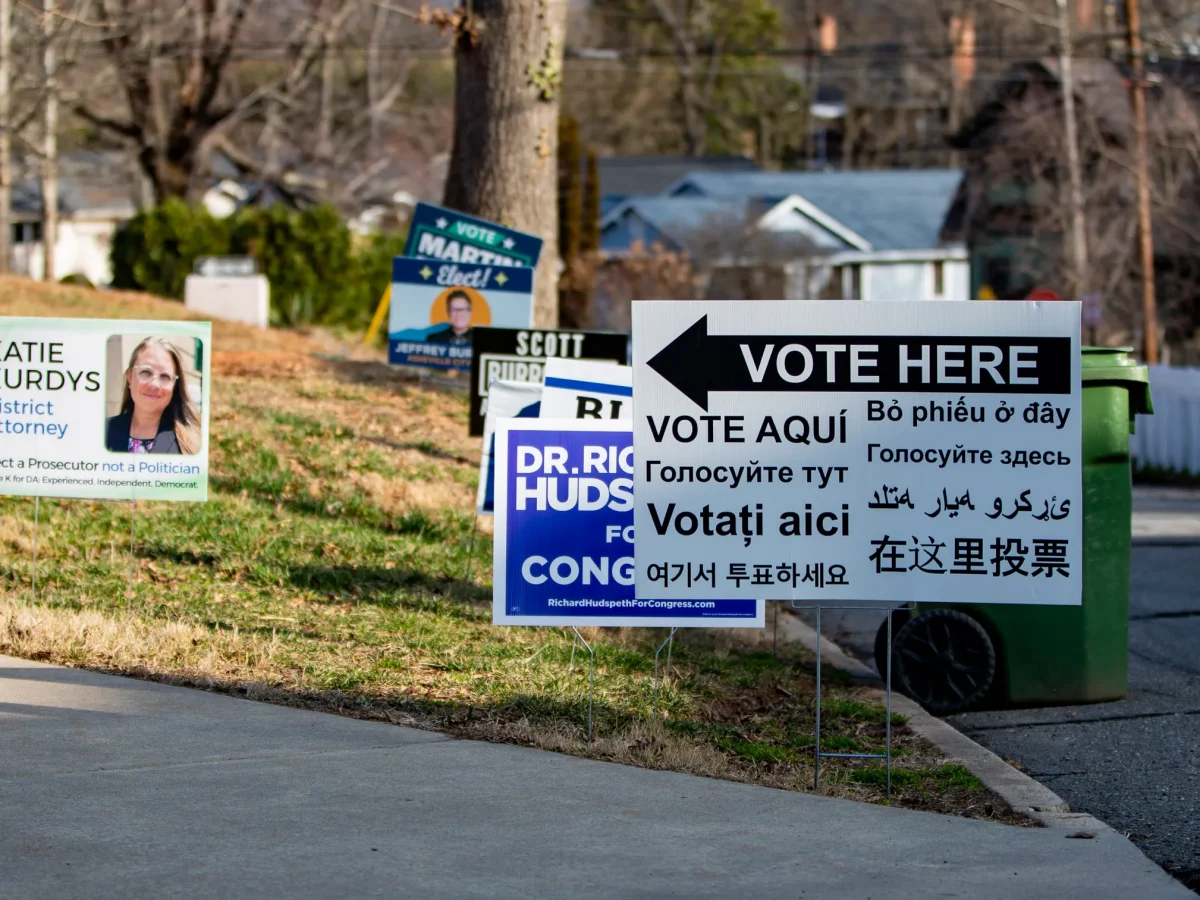
The United States is a representative democracy, which means that people are elected to vote and decide laws on citizens’ behalf. While the president is technically democratically elected, Congress is widely considered to be a better representation of voters’ opinions. According to the Pew Research Center, Congress is designed to be a better representation of the people due to the diverse membership and localized structure that members bring. This means that when a president ignores the right of Congress to make decisions, they are also ignoring the right of the people to have a representative making the decisions.
Natalia Hughes-Duque 29′ shared, “I think presidents taking away power from Congress is bad because it should be distributed to many different people, not just one person. It makes it [the US government] more like a dictatorship.” Allegra Rodriguez 29’ shares a similar sentiment, “War affects everyone and so everyone should have a voice in some way.”
While Trump evading congressional approval when attacking Iran is not new to the U.S., it is alarming nonetheless. It signifies just another example of presidents overstepping their power, and in turn compromising that of citizens.