


















2026 marked the 68th annual ceremony of The Gramophones, better known as The Grammys. As it nears its 70th anniversary, it’s important to recognize how this tradition came to be. The awards date back to the 1950s, when record executives working on the Hollywood Walk of Fame decided that many talented artists deserved broader recognition. To address this, the National Academy of Recording Arts and Sciences (now The Recording Academy) was founded in 1957. Two years later, the first Grammy Awards were held, celebrating achievements and artists across various genres of music with only 28 awards. Today, nearly seven decades later, the Grammy Awards, now presenting 96 awards, remain a world-renowned ceremony and one of the most significant annual events in pop culture. Here were the top moments from this year’s ceremony.
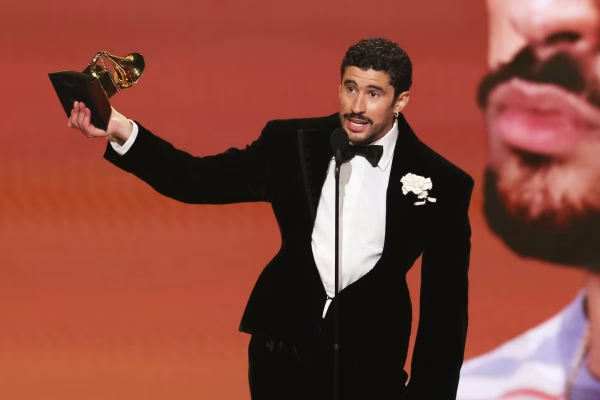
Bad Bunny took home the Grammy Awards for Album of the Year and Best Música Urbana Album for his album, “Debí Tirar Más Fotos.” The album, which blended reggae, hip-hop, and Caribbean genres, was the first entirely in Spanish to win Album of the Year. In his acceptance speech, Bad Bunny focused on activism, demanding “ICE out” and advocating for immigrants by saying, “We’re not savages… we’re humans.” His speech was described as a “powerful” and “wise” act of love by the public, and audience members noted that it was a bold political statement for Bad Bunny to make publicly.
Mia Schlotman, a TLHS student and avid music lover, describes her experience while watching the Grammys and her thoughts on the representation of different music at the ceremony. “I think that even if you do not speak a language, you can still enjoy and appreciate it, and it’s cool that Bad Bunny won so many awards because his music is fun and different from what has won at previous Grammys,” says Schlotman. “It might be able to open the door for future Latinx artists to feel like they have a chance of winning.”
Billie Eilish and her brother, Finneas O’Connell, won this year’s Song of the Year for both the lyrics and melody of “WILDFLOWER.” The song describes an intense emotional battle of guilt after helping her friend cope through a breakup, and then dating her ex-boyfriend. It consists of themes of love, heartbreak, and moral conflict, and it stands out on Eilish’s album for its melancholy melody and deep vocals. Similar to Bad Bunny, Eilish took a political stand in her acceptance speech. “No one is illegal on stolen land,” she said. “F*** ICE.” The speech generated controversy when 24-year-old journalist, social media influencer, and conservative activist Emily Austin criticized and mocked Eilish’s address. Austin soon faced massive backlash online for her hateful commentary after her recorded reaction to the speech went viral, gaining millions of views across social media.
Schlotman also shared her interpretation of the references to ICE throughout the ceremony. “Well, I saw a lot of people on social media asking if these big artists even have a place to say,” she says. “Many are in positions of power and don’t experience the same things as regular Americans. But at the end of the day, them talking about it gets more people staying informed, and that is what forces the government and people in power to do something.”
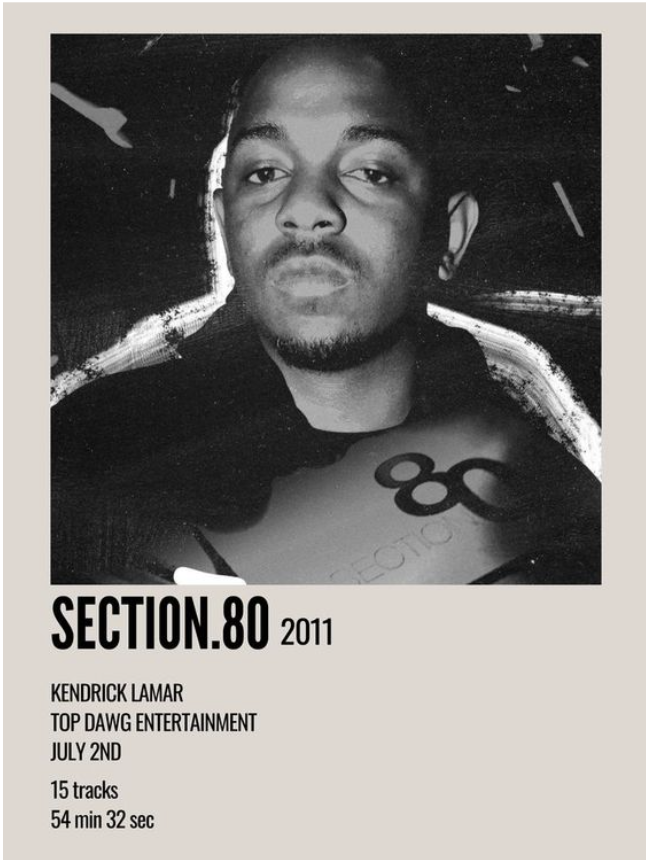
Kendrick Lamar and SZA were presented with the Record of the Year by music icon Cher for their collaboration “Luther.” The song featured a sample of the 1982 rendition of “If This World Were Mine” by Luther Vandross and Cheryl Lynn. It was a major win for Lamar, marking his second consecutive Record of the Year award after his win for “Not Like Us” in 2025. Additionally, Cher brought the laughs and confusion when, after accepting a Lifetime Achievement award, she mistakenly tried to leave the stage early. She was then guided back by host Trevor Noah, and then accidentally announced Luther Vandross as the winner instead of Kendrick Lamar and SZA.
British singer and songwriter Olivia Dean won the Grammy for Best New Artist, recognizing her work in contemporary soul and R&B, specifically on her album “The Art of Loving.” In her acceptance speech, she alluded to her issues with ICE, her immigrant heritage, and credited her family for her success.
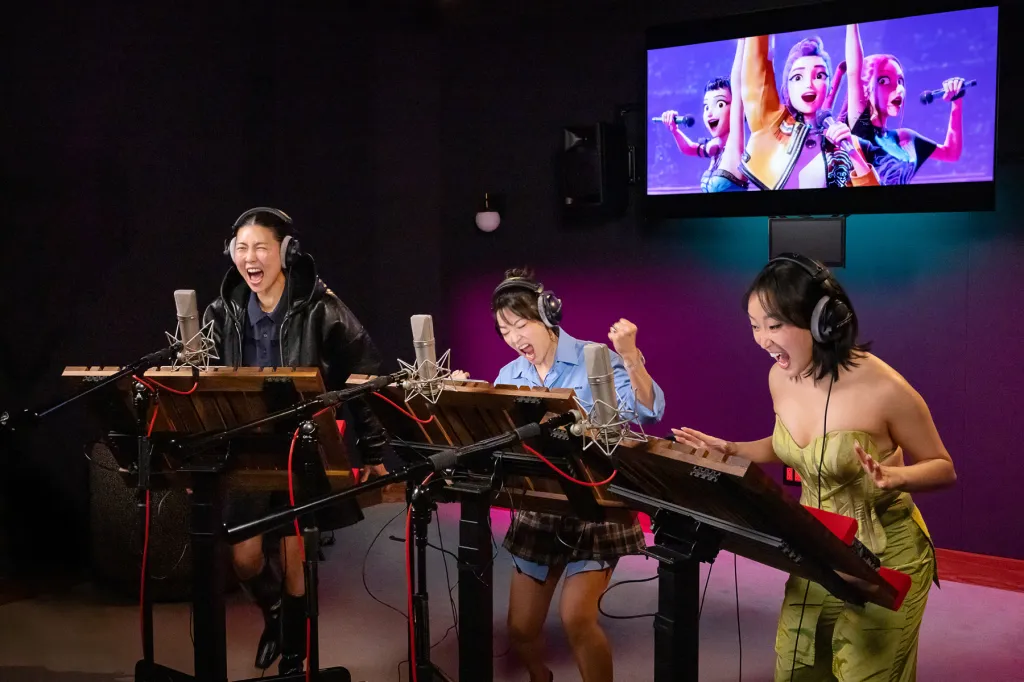
Other notable winners included Lola Young, who won Best Pop Solo Performance for “Messy,” and Cynthia Erivo and Ariana Grande, who won Best Pop Duo/Group Performance for “Defying Gravity” from the Wicked soundtrack.
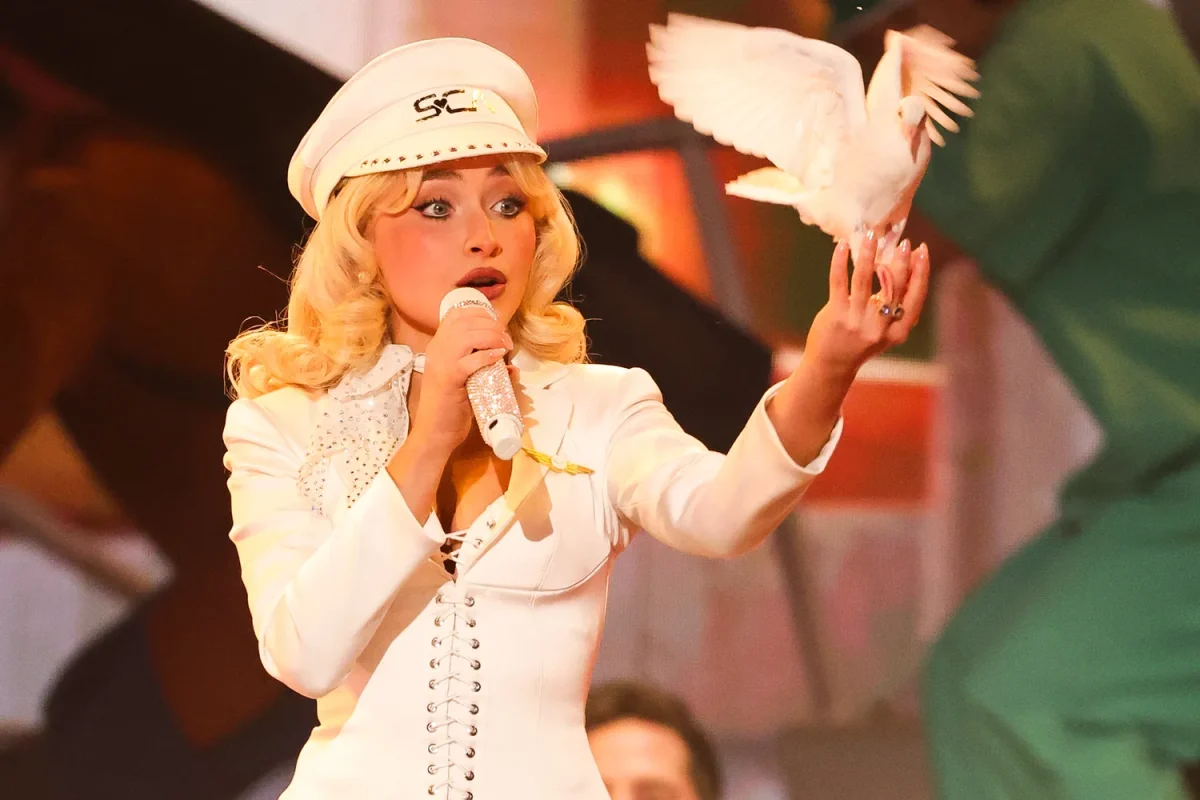
Performances held up strong for this year’s ceremony as well. Rosé and Bruno Mars opened the show with a rock-reimagined version of their hit song, “APT.” Sabrina Carpenter performed “Manchild” in an airport-themed set, but faced criticism from animal welfare organizations after her stunt with a live bird. In a social media post, PETA wrote text on an image of Carpenter holding the bird, writing, “Hey Sabrina. Bringing a live bird onto the Grammys stage is stupid, slow, useless, and cruel,” a reference to her song. After Sabrina and her controversial performance, Lady Gaga delivered a rock rendition of “Abracadabra,” and Tyler, the Creator performed a medley of “Thought I Was Dead,” “Like Him,” and “Sugar on My Tongue.” And perhaps most memorable was Justin Bieber’s performance with a solo performance of “Yukon,” while dressed in only boxer shorts and socks. Bruno Mars returned later in the evening to perform his single “I Just Might” against a massive light-up heart backdrop, and Clipse and Pharrell Williams closed the show with “So Far Ahead,” accompanied by the Voices of Fire choir and a simulated indoor snowstorm.
This year’s Grammys marked a shift in the music landscape, with controversy, political references, and diversity in music culture. The night proved that the ceremonies are no longer just about “radio hits” but also about artists using their influence to address global issues, and that music is expanding culturally as well, beyond English songs. However, one thing is certain: the ‘Gramophones’ are still loud enough to make the whole world listen.