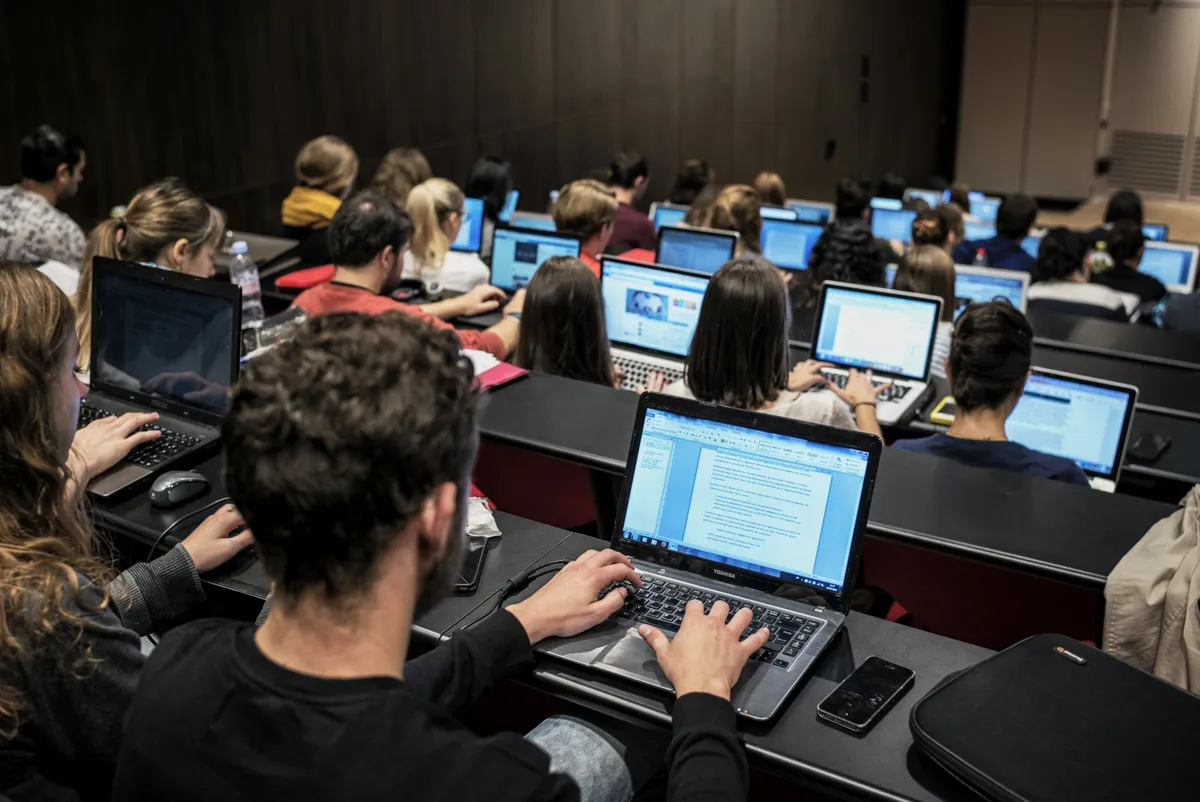

















































The question of how to use artificial intelligence (AI) in education has been the subject of intense debate for the past few years as the technology has continued to rapidly evolve. While some schools have pushed to preserve a more traditional approach to teaching, others have started to incorporate the technology into their educational programs. But few schools have gone as far as Alpha, a K-12 academy where learning is driven entirely by AI.
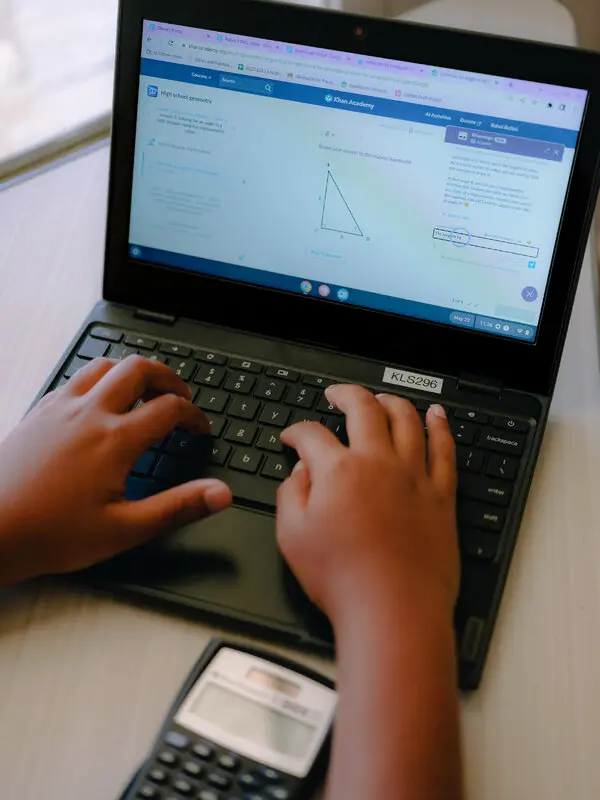
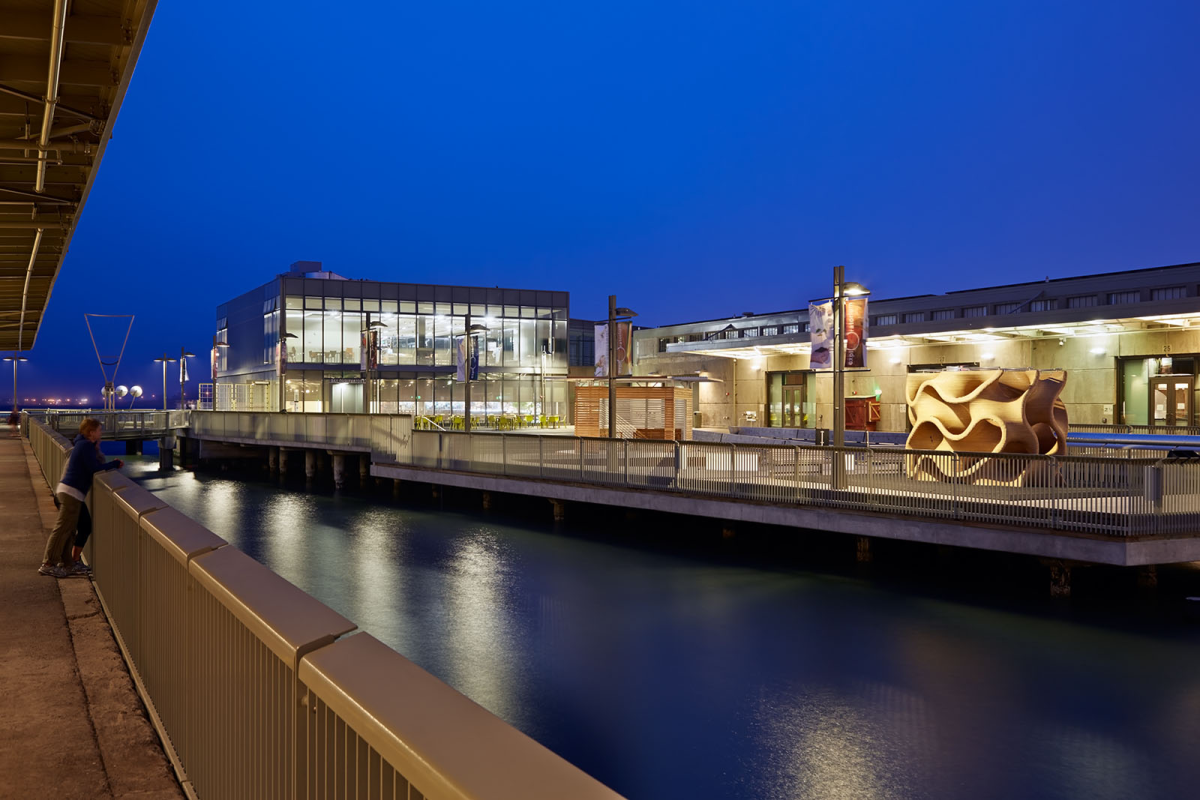
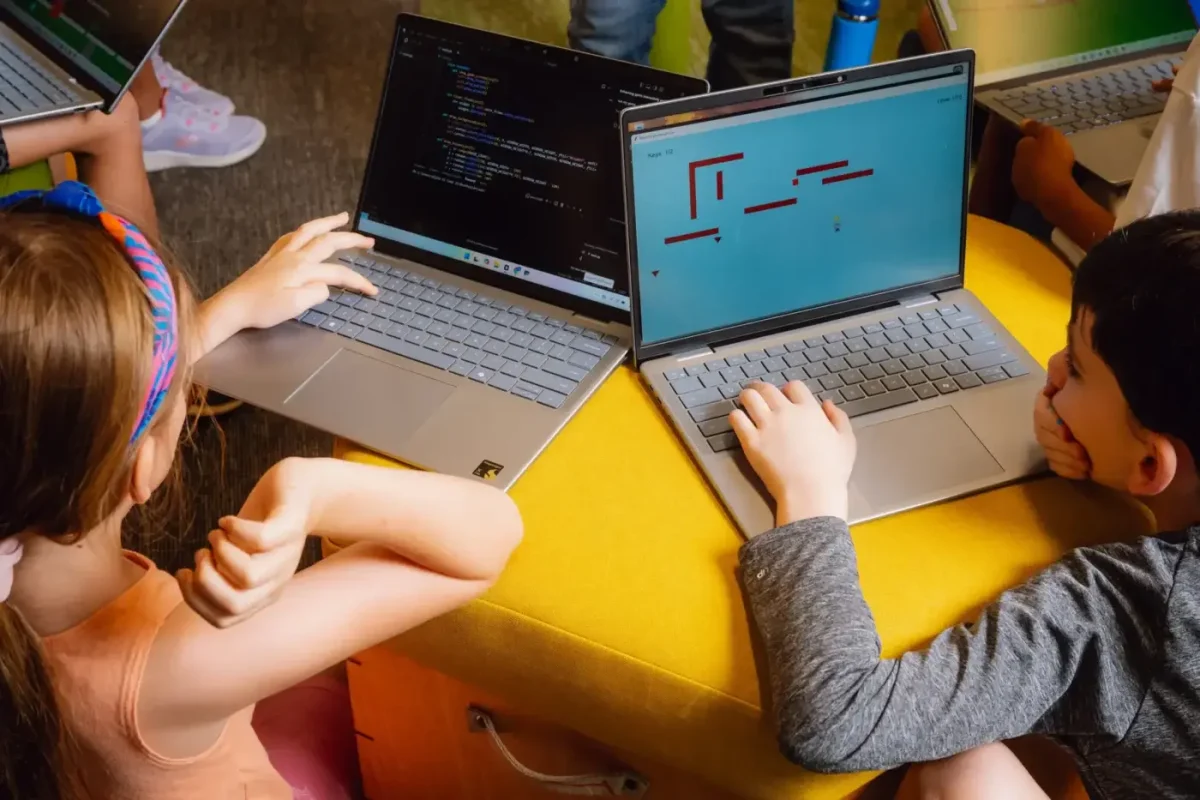
Alpha is a private institution with campuses across the U.S., including in San Francisco, Austin, and Washington, D.C. Students spend two hours each school day learning core subjects through a self-paced, AI-powered teaching model, and have no required homework. This system has allowed each student to receive a personalized education and learn in a way that makes sense for them. There are no teachers; instead, adult ‘guides,’ who are not allowed to teach, assist in supporting and mentoring students.
After the two hour learning block, the rest of the school day is spent in free time—breaks, lunch, or recess—and workshops. These workshops focus on building lifelong skills outside of academics, including public speaking, entrepreneurship, and teamwork.
These workshops culminate in what is called a ‘Test 2 Pass,’ a real-world situation intended to assess life skills learned in workshops. At the branch of Alpha in San Francisco, California, for example, some students’ test was to bike across the Golden Gate Bridge without stopping, showcasing endurance and perseverance. At the campus in Scottsdale, Arizona, some learned to write and produce music, which they later performed live.
This unusual system has contributed to a high academic success rate at Alpha. According to their website, their students experience a growth rate 2.6 times faster than those in traditional schools on national Measures of Academic Progress (MAP) tests. Critics, however, point out that the school is private, meaning it can choose which students attend, and therefore could recruit and admit students who are already academically successful.
The academic benefits of attending Alpha seem to extend beyond graduation. In a video on the website, Alpha co-founder MacKenzie Price noted that recent Alpha graduates have been accepted into top universities, including Stanford University and Vanderbilt University.
Alpha’s educational methods can also have a positive impact on students’ mental health. In quotes from an end-of-year parent survey featured on the Alpha website, parents expressed how much their children love attending the school. “Our kids would 100% rather be at school than on vacation and do not even want breaks. They LOVE school—both of them,” one quote on the website read.
Although the Alpha system sounds flawless, many have taken issue with the school’s education system. Some parents, students, and guides have claimed that the atmosphere within the school feels competitive. According to an article from WIRED, in a room at the Alpha campus in Brownsville, Texas, “a large TV on one wall displays circle charts that update every minute with completion rates and other metrics from each student’s personalized learning software.” While some think this pushes students to their full potential, critics feel that it generates competition among students and forces them to prioritize academic results.
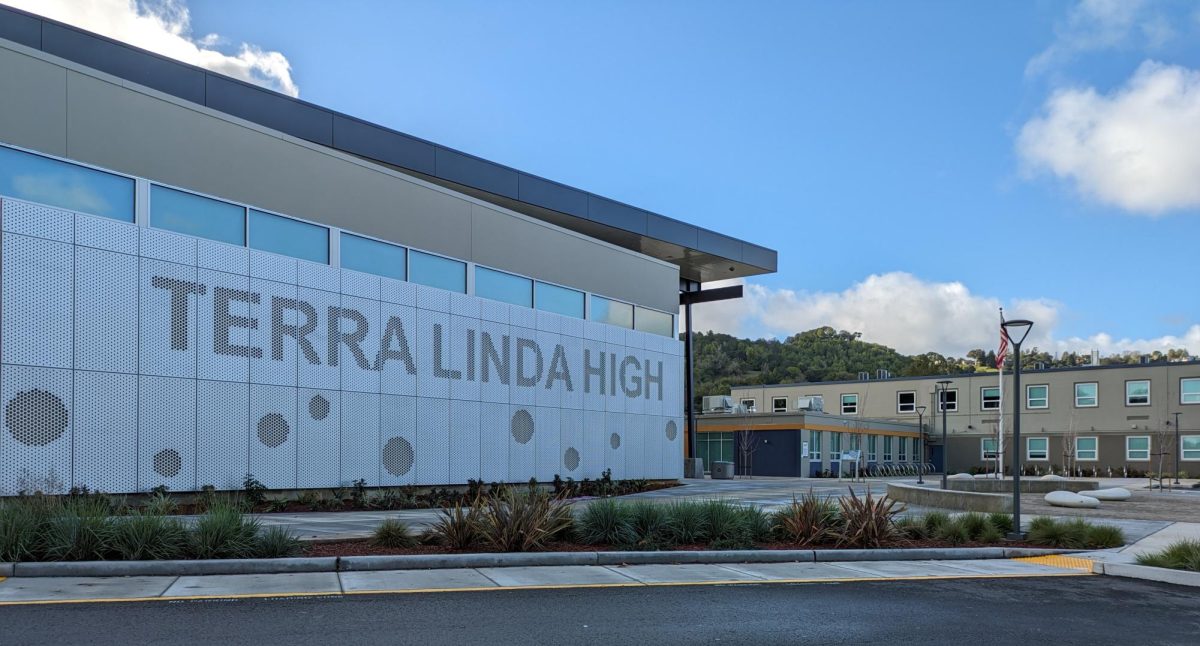
Another main criticism of the school is that its AI-powered education system pushes students to develop an unhealthy reliance on artificial intelligence and technology. “There are ways to give kids the benefits that this school provides without using AI,” Terra Linda High School junior Lana Duca said. “I think that there’s an obvious value in having real humans teach kids.”
Because learning is entirely personalized, some Alpha critics worry that students miss out on the struggle of learning. The AI software caters to individual educational needs, so students only learn academically in the way that is most interesting and effective for them. In a traditional classroom, on the other hand, students are forced to adapt and learn in a variety of ways.
The debate over the Alpha school, intertwined with the question of AI usage in education, is becoming increasingly prominent. Alpha has been expanding into new cities, with a recently-opened San Francisco location and one in Palo Alto set to open this fall. Sooner or later, school officials will have to confront the question of whether or not the Alpha system is the future of education.