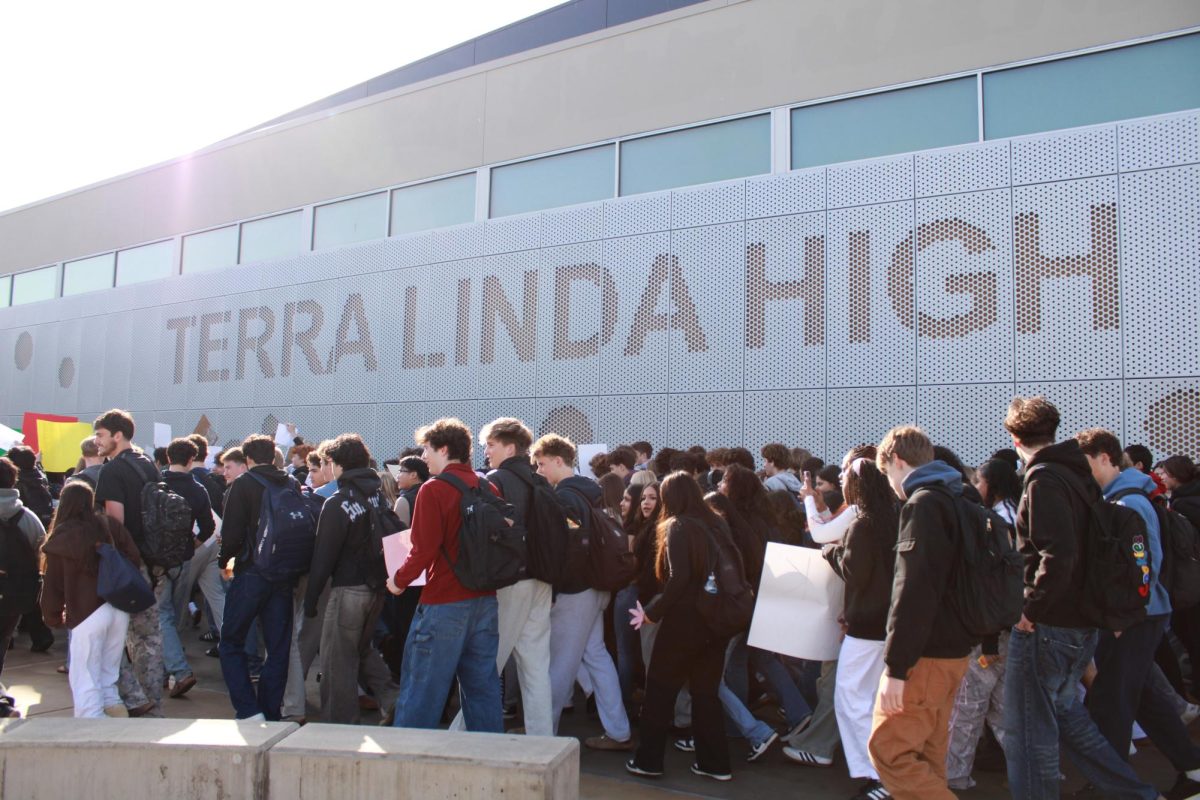






























Tensions have been high in Minneapolis, Minnesota after 37 year old stay-at-home mom Renee Good was shot and killed by an U.S. Immigration and Customs Enforcement (ICE) officer, raising questions about the use of federal force on civilians. Not long after this incident, Julio Cesar Sosa-Celis, a Venezuelan migrant, was shot in the leg by an ICE agent, and ICU nurse, Alex Pretti, was fatally shot in the back ten times. “I think the behavior of ICE is disgusting,” Tessa Hazelrigg, Terra Linda High School junior, said. “It’s terrible how kids in our community are scared to go to school out of fear.” The continuation of ICE’s actions have generated alarm and fear around the country. These incidents have sparked protests, vandalism, and outrage nationwide, as well as a debate over whether or not the Insurrection Act should be enacted.
BBC reported the shooting of Sosa-Celis “occurred after a car chase involving a Sosa-Celis, who was previously convicted for driving without a licence.” After the chase, Sosa-Celis got out of his car and proceeded to fight the agent. Two other migrants joined in and attacked the agent with a broom handle and a snow shovel. The agent then proceeded to open fire, shooting Sosa-Celis in the leg. Both Sosa-Celis and the ICE agent were taken to the hospital.
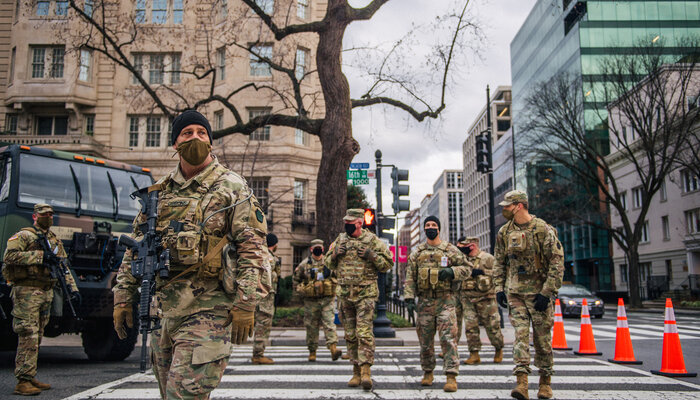
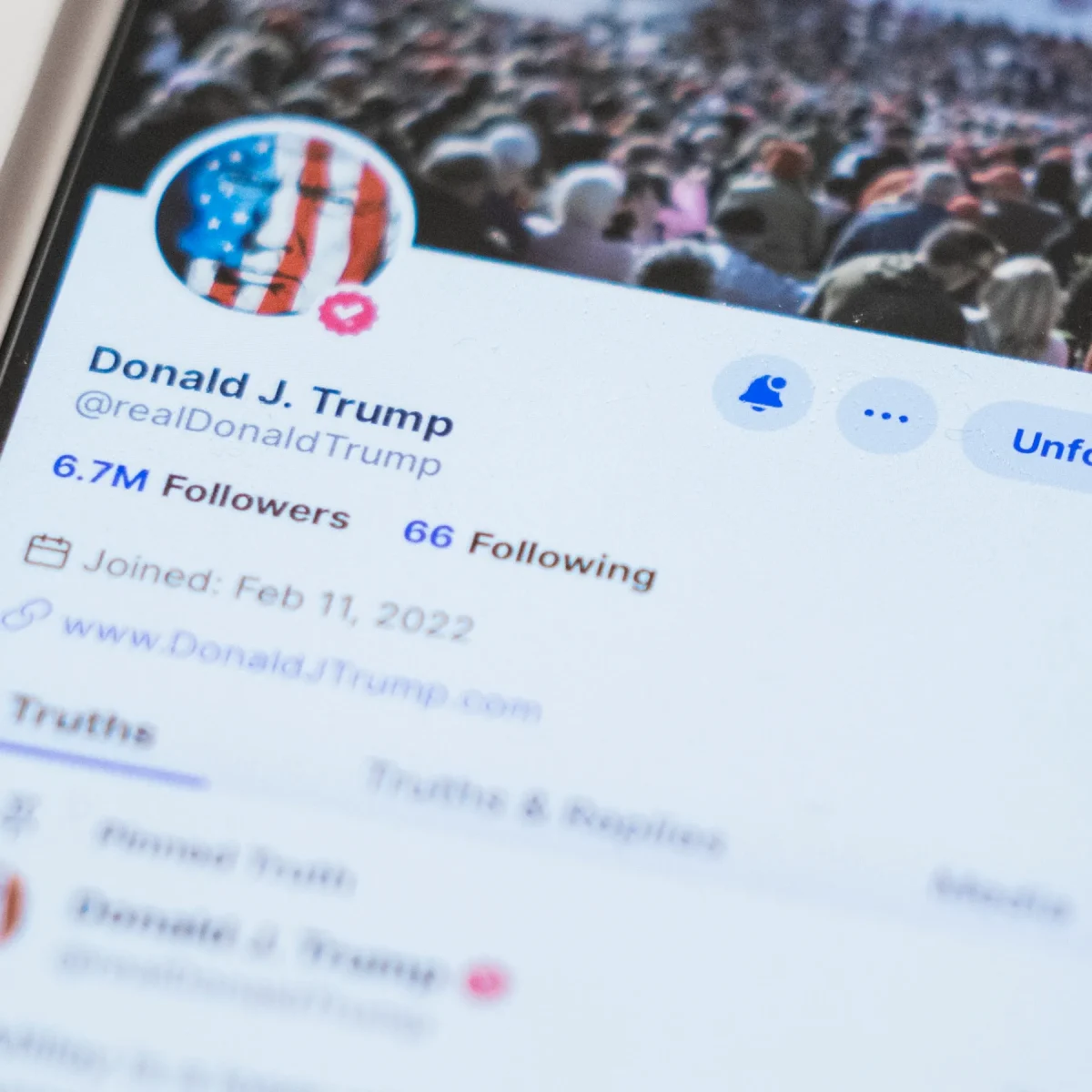
That night, more conflicts arose between protestors and law enforcement, involving snowballs, fireworks, and the robbery of government vehicles. “Around 3,000 federal officers have been deployed to Minnesota in recent weeks,” BBC reported. The troops were deployed on Trump’s orders to the protests. The U.S. president also threatened to invoke the Insurrection Act due to the severity of the protests.
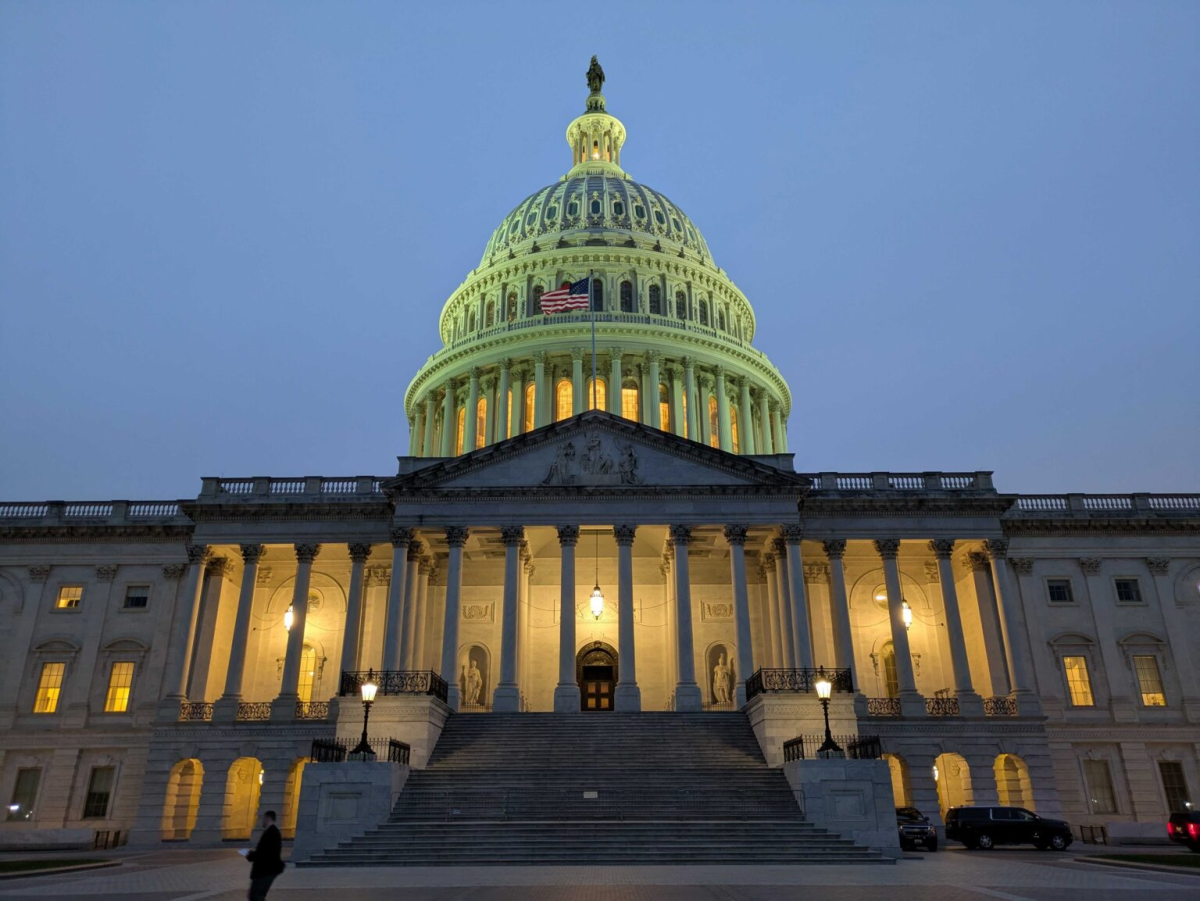
The Insurrection Act, passed in 1807, is a federal law that allows the President to deploy the military within the country in response to events such as rebellions or situations above local authorities. The act is one of the only legal exceptions to the rule that the U.S. military cannot be used as police within the United States, a rule which exists to separate military and civilian law enforcement. Many people are opposed to the enactment of this controversial act to put down the protests in Minneapolis. “The President has many more pressing matters he should be focusing on before even considering enacting this,” Hazelrigg said.
The Insurrection Act has only been used a few dozen times in U.S. history. The last time this act was used was in 1992, in response to riots in Los Angeles following the Rodney King verdict. Rodney King was a black man who was beaten to death by the Los Angeles Police Department at a traffic stop. A video of the incident was captured and widely broadcasted. The four officers who participated in King’s killing were charged with excessive force, and were acquitted of charges by a predominantly white jury, which many saw as unjust, triggering the riots.
If Trump enacts the Insurrection Act, it could mean a range of outcomes. Military roles could expand beyond established boundaries, giving the military the power to control crowds, set up checkpoints, and protect federal property indefinitely, given that there is not a set limit of time for which the act can be in place. Enacting the act could, however, prompt legal challenges. All federal courts still have the power to decide whether or not the act is lawful, despite the president’s authority.
All in all, the Insurrection Act raises big questions about how conflict should be handled. As violence between ICE agents and civilians escalates, sending in the military can appear to be a quick fix, but it has the potential to leave a lasting negative impact on many communities. How leaders use their power will shape not only government authority, but also public trust.