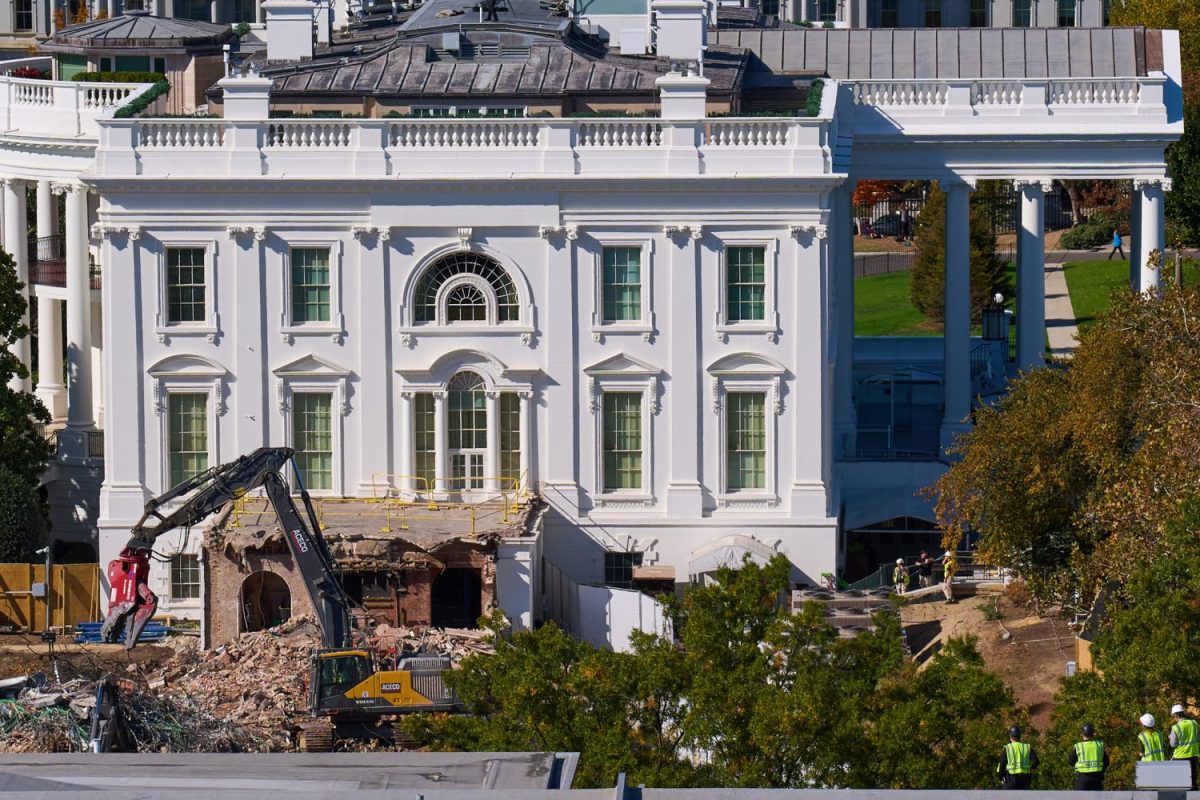






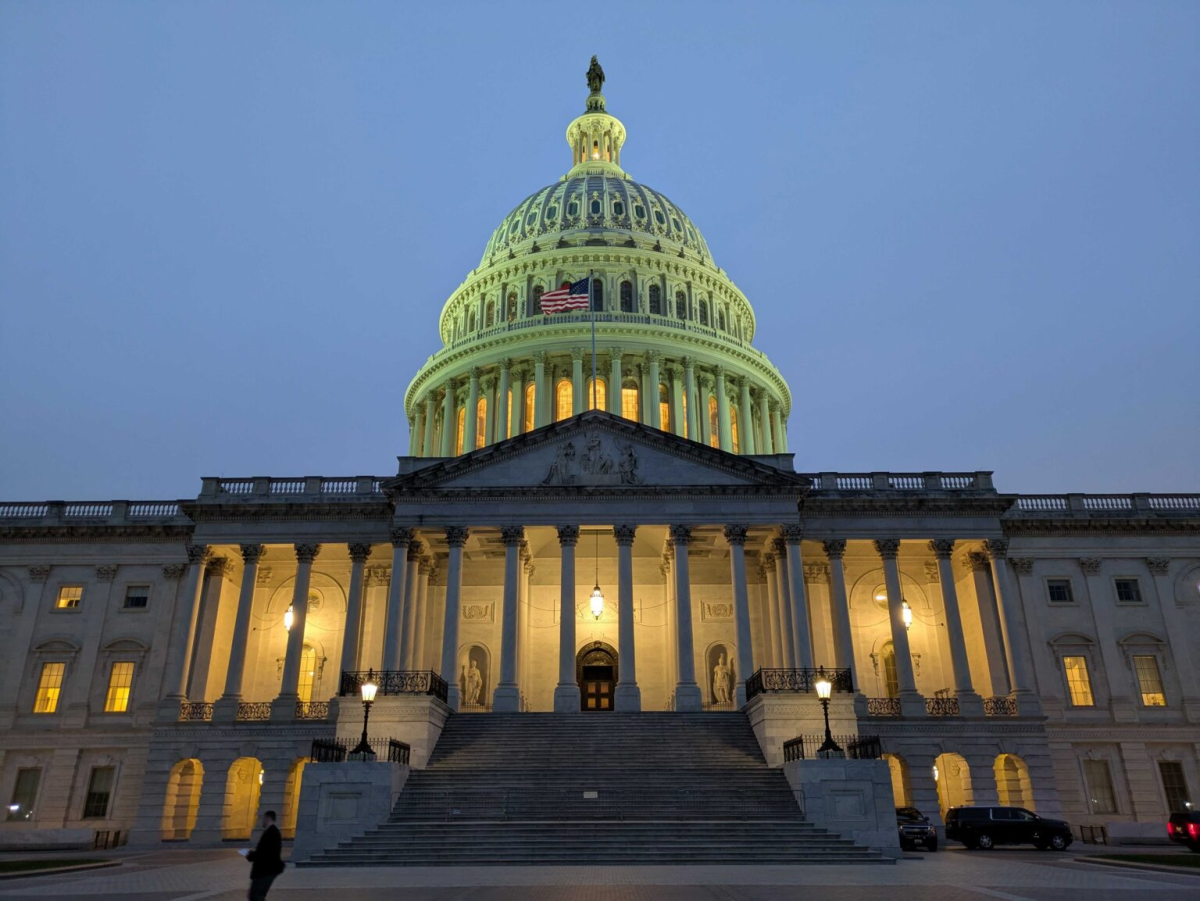









































A government shut down occurs when a funding bill fails to pass through Congress. This brings “non-essential” government services to a halt. Essential government employees, meanwhile, are forced to work without pay. On October 1st, 2025, a government shutdown began in the United States, lasting 43 days. The senate was short by 60 votes on passing a temporary spending bill, due to several Democratic senators that refused to sign. These senators demanded that the bill include an extension of expiring tax credits, including the Affordable Care Act, which would make health insurance cheaper for millions of Americans.
On November 10th, the government reopened when President Trump signed a deal to restore federal work pay, stabilize air travel, and fund food assistance. This was driven by a severe economic disruption, pressuring democratic senators to sign the bill in the Senate. This time, the bill was successfully passed through Congress, and sent to the president’s desk. The Democrats’ initial goal of extending Affordable Care Act subsidies, however, were not met.
A heavily impacted area of the government shutdown was air travel. Air traffic controllers, who guide take-offs and landings, are paid by the government, as are TSA agents. As such, the shutdown led to a widespread cancellation of flights due to worker limitations. Airports still functioned, just much less efficiently.
Another severely affected service was SNAP, the Supplemental Nutrition Program. SNAP is a program which offers food assistance to low-income families. Specifically, it provides financial benefits for these families on EBT cards that can be used in most stores. Funding for this program was stopped during the shutdown.
While on the surface, it may not have seemed to non-government employees as though the shutdown had a large impact. However, to the roughly 1.4 million federal employees who were expected to work without pay, the impacts were extreme. As were the effects on 670,000 non-essential employees, who were unable to work at all. However, since the government reopening, SNAP benefits have ensued, flight restrictions have been lifted, and federal employees have been mandated pay for the hours they would have worked.