

























Politicians have always been some of the largest “influencers” in America, with their policies and views deeply impacting American lives. Still, the increased presence of politicians and political parties on platforms like Instagram and TikTok, as well as increased reliance on social media for news information, has made a significant impact on politicians’ relations with the public as a whole. Normally, social media users scroll through videos of cute animals, arts-and-crafts tutorials, and their favorite beauty or wellness influencers. However, in the past few years, a different kind of influencer has entered the social media sphere: politicians.
One of the largest political “influencers” is President Donald Trump. Trump is very well known for his X (formerly Twitter) presence in the past, as well as the frequent posts currently made by him and the White House. According to Wikipedia, “Over nearly twelve years, Trump tweeted around 57,000 times, including about 8,000 times during the 2016 election campaign and over 25,000 times during his [first] presidency.” The president’s posts have sparked worldwide attention, as they often feature all-caps warnings and controversial statements.
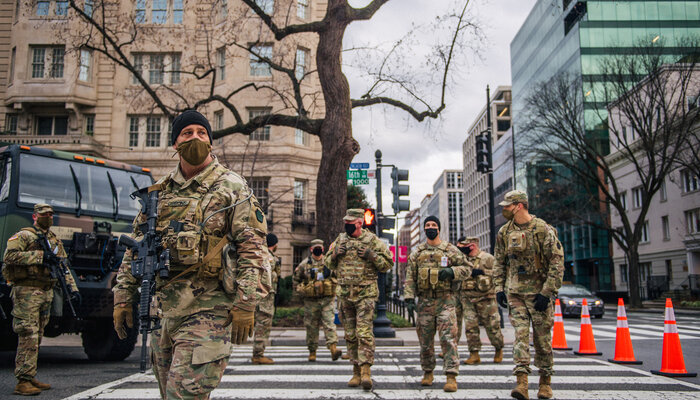
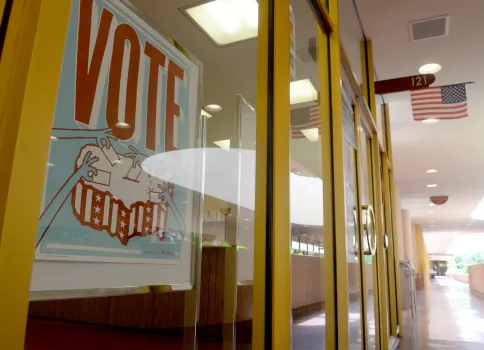
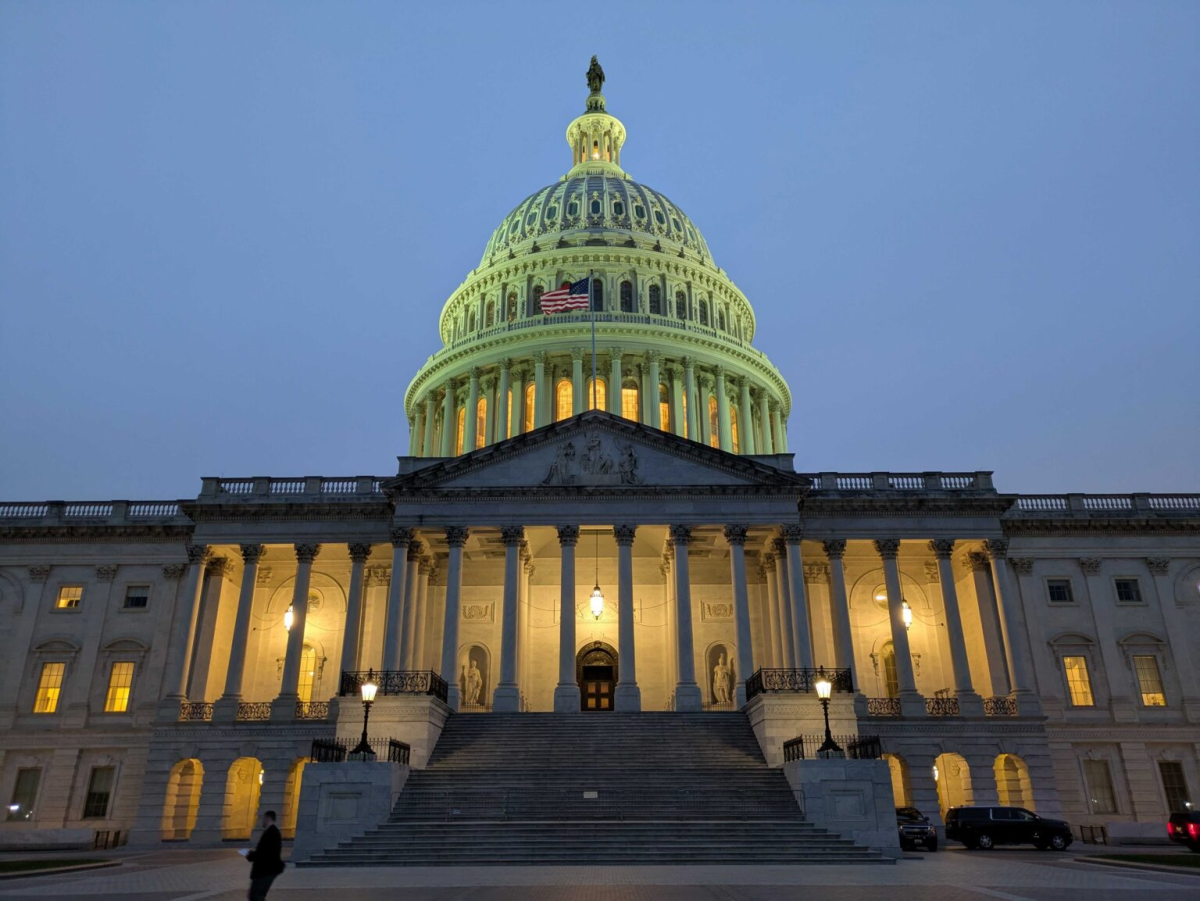
In 2020, some of these posts, specifically those linked to the January 6th attacks, led to his removal from almost all social media platforms. During his reelection campaign in 2020, the president falsely claimed in a post that mail-in voting and electoral fraud could jeopardize the election. After his loss, he continued to spread misinformation, leading to the U.S. Capitol attack on January 6th, where his supporters stormed the building in an attempted self-coup to keep the president in office. After these posts and the event, most major social media platforms banned him. According to research from Zignal Labs, election-related misinformation decreased by 73% in the first week that Trump was banned. Although Facebook and Instagram banned him for two years, all major social media sites excluding Snapchat have reinstated the president since.
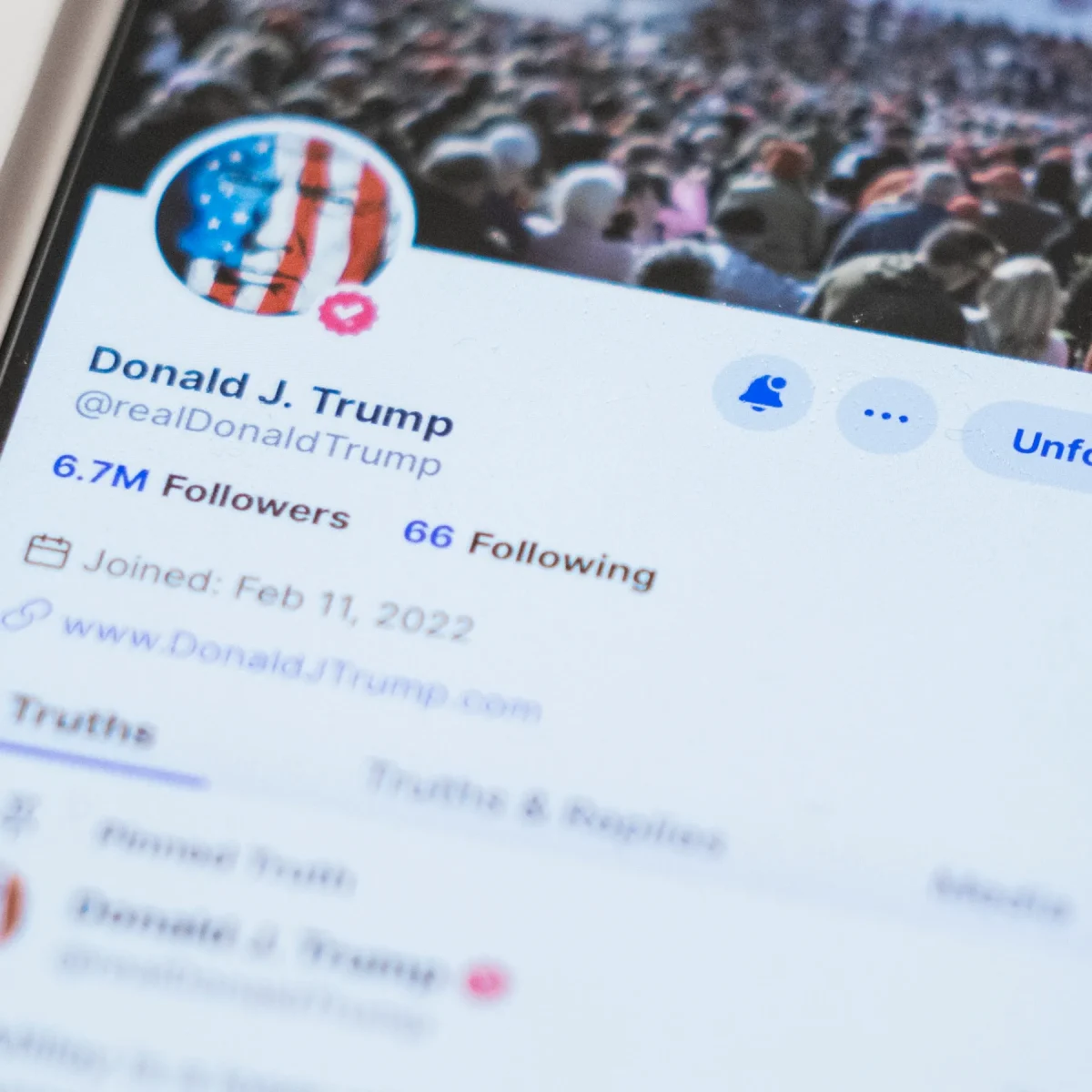
Even with his reinstatement on many platforms, the president is active most often on Truth Social, the social media platform he created in 2022. Since its creation in 2022, Truth Social has amassed 5 million monthly visitors. However, it has been unable to move past being a conservative echo-chamber, with most of the audience making up the MAGA base. “[Truth Social] is marketed in opposition to mainstream media apps, which Trump and his supporters allege discriminate against their views and limit free expression,” says Roxana Muenster, a Cornell University doctoral student studying the far-right and digital communication. “There is also a lot of hate speech and extremism on the platform due to their lax approach to content moderation.”
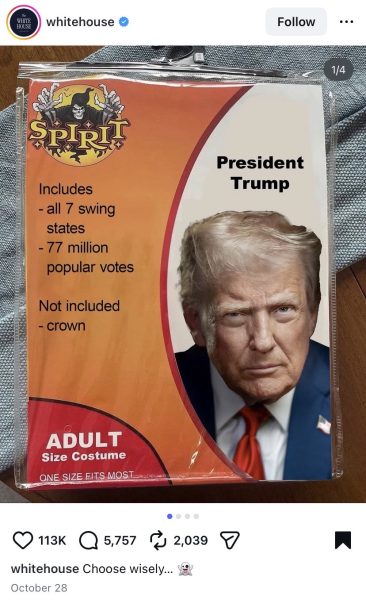
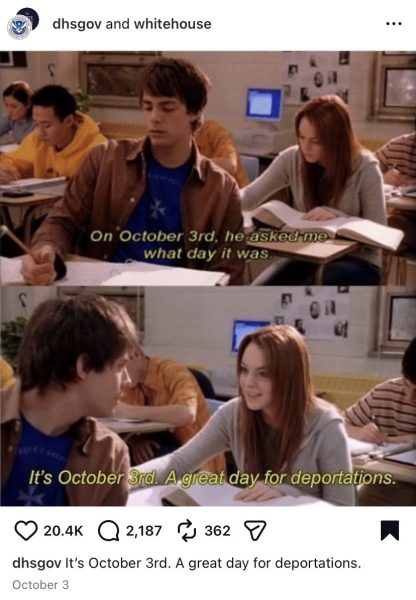
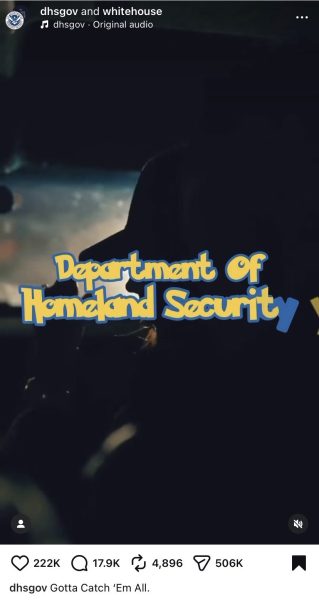
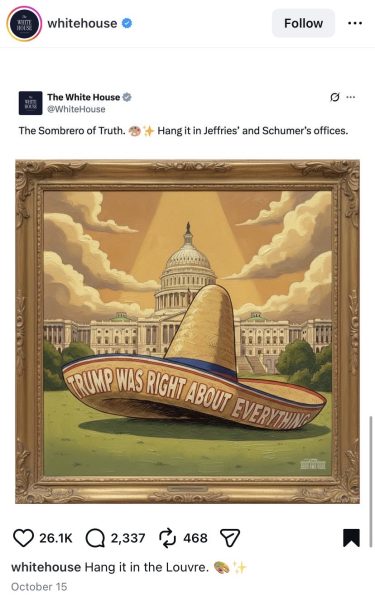
Beyond Truth Social, the president and his administration continue to post controversial and attention flagging content on other platforms. The White House’s feed is a minefield of potentially offensive content, with sombreros emblazoned with “Trump was right about everything” and even reels comparing undocumented immigrants and ICE agents to Pokemon characters. One post on X earlier this year gained significant attention, with the White House tweeting an “ASMR: Illegal Alien Deportation Flight” video, showing immigrants in shackles preparing to board a flight.
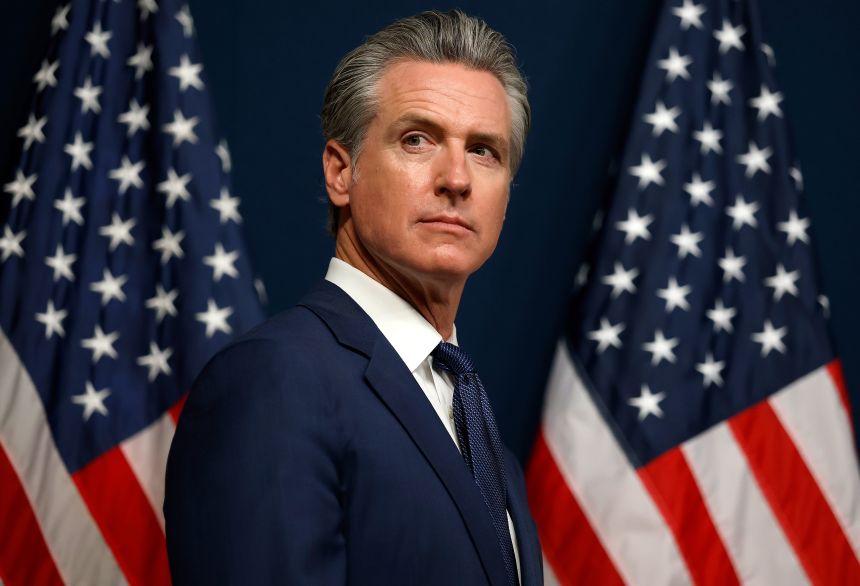
Although likely the most controversial, Trump is not the only politician with an increased presence on social media in recent years. Many others, including California governor Gavin Newsom, have feeds meant to catch the eye and voters “for you” pages. However, President Trump and the White House’s social media presences have incited more wariness than the governor due to the president’s former actions on several platforms.
With 57% of X users and 55% of Tiktok users saying they regularly get their news from the sites, it’s unsurprising that many politicians are turning to social media platforms to raise awareness for their issues and views. However, the American social media landscape has been significantly affected by these posts. Social media users must be aware of where they are getting their information from and any potential biases before they completely trust any political post. It is increasingly possible to find hidden agendas behind political posts as the social media landscape undergoes this significant change.