













On July 7, Stephen Colbert’s The Late Show with Stephen Colbert was cancelled. On September 17, Jimmy Kimmel’s late-night talk show, Jimmy Kimmel Live! was suspended. Why were these established and beloved comedians removed from their positions? And what do these recent events mean for free speech and the future of free press in America?
Stephen Colbert, the host of The Late Show with Stephen Colbert, announced over the summer that his show, despite longstanding ratings placing it in the top three of late-night shows, would be coming to an end with the current season. The Late Show’s parent company, CBS, cited “financial reasons” as the official motivation for the show’s cancellation. Many, however, including Colbert himself, found this explanation to be suspicious.
Only a few weeks prior, CBS’s parent company, Paramount, settled a lawsuit brought against them by President Trump. In which he claimed they had engaged in unfair editing of a news program, which in turn influenced the 2024 election. In one of his comedic monologues, Stephen Colbert critiqued the $16 million settlement, calling it a “big fat bribe,” in consideration to Paramount’s pending merger with Skydance. A few days later, Colbert shared with his audience that his show would be concluding at the end of the current season, after running since 2015.
Considering The Late Show was the highest rated late night talk show in total viewers for the second quarter (April-June) of 2025, many believe that the show’s termination had nothing to do with financial matters and more to do with increasing pressure from the Trump administration.
Animosity between President Trump and Colbert is not a new development.
Colbert has publicly opposed Trump since the beginning of his presidential bid in 2015, and Trump, in a 2024 podcast with the Nelk Boys, said, “All [Colbert] does is talk about me.”
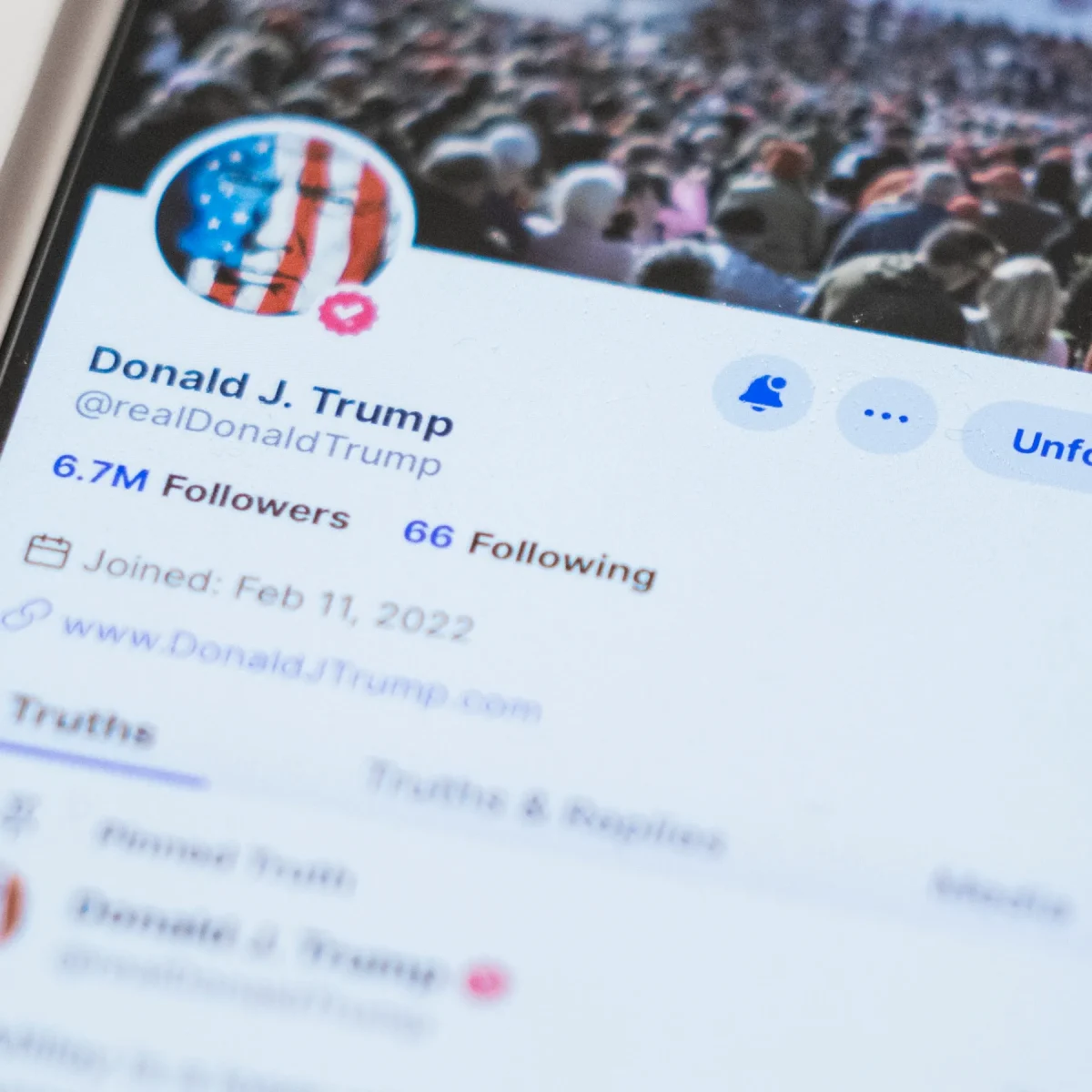
Lily Mbaidjol, a Terra Linda freshman and fan of The Late Show, shared her thoughts on the show’s cancellation. “It had nothing to do with the ratings. I know a lot of people who enjoy watching [Colbert’s] show,” Mbaidjol said, believing that the decision had more to do with the comments made by Colbert the previous day. Mbaidjol’s claim is not unsubstantiated. Trump publicly celebrated Colbert’s departure by posting on Truth Social, a social media platform, that he “absolutely loves” that Colbert “got fired.”
Another late night talk show host recently found himself in the crossfire of political commentary. Following the death of Charlie Kirk, political activist and the founder of Turning Point USA, Jimmy Kimmel posted a message on Instagram sending love to Charlie Kirk’s family and gun violence victims. Kimmel later remarked on his show, Jimmy Kimmel Live!, that “the MAGA gang [is] desperately trying to characterize this kid who murdered Charlie Kirk as anything other than one of them.”
He then, as part of his comedic bit, likened the way President Trump reacted to the situation to “how a four-year-old mourns a goldfish.” This garnered an immediate response from Brendan Carr, the Trump-appointed chairman of the Federal Communication Commission (FCC). “We can do this the easy way or the hard way,” Carr told a right-wing podcaster. He then alluded to action that the FCC may take to “change conduct … on Kimmel.” Shortly after, ABC announced they would no longer be airing Jimmy Kimmel Live! for the “foreseeable future.” ABC and its parent company, The Walt Disney Company, received immediate backlash from thousands of outraged fans and worried netizens, users of the internet, who claimed they violated Kimmel’s right to free speech. Richard Spotswood, an opinion columnist for the Marin Independent Journal, states, “Jimmy Kimmel was temporarily fired because Trump’s minions ordered ABC to fire him. It was a clear violation of his First Amendment right to free speech.”
Historically, this type of interference in comedy shows by the U.S. government would have been unheard of. Officials threatening media companies in response to political comments or jokes would not be tolerated or even attempted. However, the Trump administration has made its intention to stifle opposing speech abundantly clear, and they have brazenly shown that they believe what they are doing is well within their power and right. As columnist Richard Spotswood predicts, “The possibility of further restrictions on free speech by the Trump regime is close to 100 percent.”